
True Grit Rating: Support Your Local Gunfighter
Loading the ticket…
Support Your Local Gunfighter is a 1971 American comedy Western directed by Burt Kennedy, starring James Garner as Latigo Smith, a smooth-talking gambler and confidence man who jumps off a train at a Colorado mining town and is mistaken for a notorious gunfighter. Suzanne Pleshette plays a fiery mine owner's daughter, and Jack Elam all but steals the film as the amiable drifter Latigo hires to impersonate the gunman. Made by much the same team as Support Your Local Sheriff! (1969), and sharing several of its actors and jokes, it is not a sequel but a separate story.
Plot
Latigo Smith is travelling through frontier Colorado with Goldie, a wealthy dance-hall owner who is determined to marry him. To escape her he slips off the train at Purgatory, a little mining town shaken every few minutes by dynamite blasts. Two rival mine owners, Taylor Barton and Colonel Ames, are racing to find a buried mother lode of gold, and Barton takes Latigo for the feared gunman Swifty Morgan, whom he believes Ames has hired. Latigo, who cannot resist a roulette wheel and soon loses all his money betting on his lucky number, 23, decides to play along. He persuades the hard-up Jug May to pose as Swifty and hires him out to the Bartons, while dodging the bullets and schemes of Barton's tomboy daughter Patience, who longs to escape to a finishing school in New York.
The deception goes wrong when Ames sends for the real Swifty Morgan, who rides in and challenges Jug to a gunfight. Latigo takes Jug's place, arriving on a donkey loaded with dynamite. A mine blast startles Swifty into accidentally shooting himself, and the bolting donkey blows up the Bartons' saloon, uncovering the mother lode. Latigo wins at roulette at last and leaves with Patience to be married, and Jug, from the back of the train, tells what became of everyone, including himself, who went on to become a star of Italian Westerns.
Production
The film was based on an old script by James Edward Grant, who had died in 1966; Kennedy rewrote it but left Grant the sole credit, and it was Grant's last film. Its working title was Latigo, and it was made by Cherokee Productions and Brigade Productions for release by United Artists. Filming ran from mid-August to mid-September 1970. Apart from one day at the Golden Oak Ranch near Newhall, California, it was shot entirely on the Western street of the CBS Studio Center in Studio City, the old Republic Pictures lot, mostly at night to avoid smog and the look of a studio set. The cast is full of familiar character actors, among them Harry Morgan as Barton, John Dehner as Ames, Marie Windsor as Goldie, Joan Blondell as the saloon keeper Jenny and Dub Taylor as the doctor, with Chuck Connors uncredited as Swifty Morgan.
Reception
The film opened in New York on 26 May 1971 with a G certificate. Reviews were mixed. Roger Greenspun of The New York Times found its constant shouting exhausting rather than funny, while the Los Angeles Times thought Elam, "ever the crazy-eyed reprobate", might walk off with the whole picture. Garner himself later wrote that it was not as good as Support Your Local Sheriff!. Some later admirers think it better than its reputation, praising its gallery of well-loved character actors. A third film, Support Your Local Coward, reached a first-draft script in 1971 but was never made.
Legend and history
- A joke on Jack Elam. Jug's closing boast that he became a big star of Italian Westerns is a nod to Elam's own part in Sergio Leone's Once Upon a Time in the West (1968).
- Family viewing. The humour is broad and mostly gentle, but the story turns on gambling and a con man's tricks, and Latigo's secret embarrassment, a tattoo of Goldie across his chest, is a running joke.
Key facts
- Released: May 1971 (New York opening 26 May 1971)
- Director: Burt Kennedy
- Screenplay: James Edward Grant
- Producer: William Finnegan; Cherokee Productions and Brigade Productions
- Stars: James Garner, Suzanne Pleshette, Jack Elam, Harry Morgan, John Dehner, Joan Blondell
- Filmed at: CBS Studio Center, Studio City; Golden Oak Ranch, Newhall, California
- Certificate: G (MPAA)
- Running time: 88 minutes (data); the AFI Catalog gives 92
- IMDb rating: 6.8 (data)
- Directed by Burt Kennedy
- Released 1971
- Running time: accounts differ: 92 minutes (AFI Catalog) or 88 minutes (Wikidata).
Cast
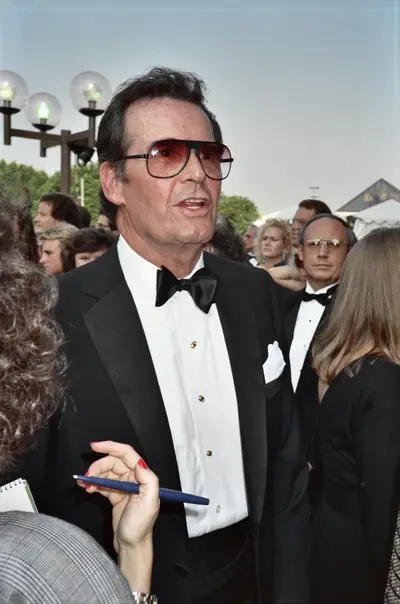


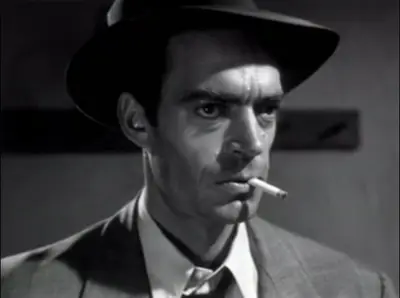

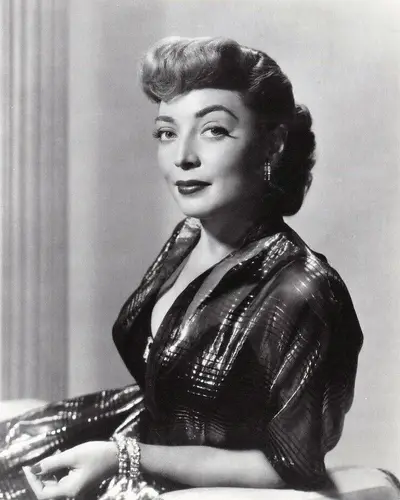

See also
Frontier folk
This film is listed on: Carpetbaggers, swindlers, card sharps and snake-oil men (all Frontier folk)
True Grit RatingWhat's this?Woke: None foundIMDb ★6.8Partly checked
True Grit score: 84/100, Silver Partly checked
How the score is worked out:
- Start100
- Not a classic Western (comedy Western): capped at Silver: 100 → 84
- True Grit score84 · Silver
Classic Western checks
1 of 5 yes · Mostly classic
- Called “revisionist”YesYes: described as revisionist, or as taking apart the Western's myths.[1]
- Settlers or cavalry as villainsNoA comedy. The antagonists are the rival mining bosses Taylor Barton and Colonel Ames, and the gunslinger Swifty Morgan, whom Ames summons.[2]
- Faith shown negativelyNoThe plot shows no clergy or faith portrayed negatively.[2]
- History rewrittenNoFiction with invented characters; it portrays no real historical events or people, so nothing documented is rewritten. [2]
more
Fiction with invented characters; it portrays no real historical events or people, so nothing documented is rewritten. A comedy. - A people shown as villainsNoNo: the plot source names the villains as individuals; no ethnic, national or religious people is the enemy as a group.[3]
Woke content (modern messaging)
None found0 of 8 items found so far
Show all 8 (4 not found · 4 not known)
Unless noted: Unknown.
- Characters recast for representationNot foundAn original story with invented characters (no source work and no real people), so no established or historical figure could be recast.[2]
- Gender roles reversed or critiquedNot known
- Present-day political languageNot known
- Allegory for current politicsNot foundReleased in 1971, before the 21st-century debates this item covers, so it cannot be an allegory of them.[2]
- Western civilisation framed as inherently guiltyNot known
- Environmental activismNot foundNo: no source raises an environmental message (5 Nov 2026).[2]
- Source material changed for messagingNot foundAn original screenplay (no novel, earlier film or established characters), so there is no source to change.[2]
- LGBT or gender-identity themesNot known
Audience
★ 6.8/10 from viewers on IMDb (7.5k votes)No deduction (5.0 and up).
Sources
Information courtesy of IMDb (https://www.imdb.com). IMDb rating as of 13 October 2026.
Checked 18 October 2026 · Reviewed by Frontier Editor
Partly checked: 4 checks not known. Not known items are left out of the score.
Member reviews
What members think. Member reviews never change the True Grit score. The True Grit score is worked out by the editors from sources.
Sources
- Support Your Local Gunfighter - Wikipedia en.wikipedia.org
- Wikidata: Q951168 wikidata.org
- IMDb Non-Commercial Datasets developer.imdb.com
- Support your local gunfighter q29sbgvjdglvbjpwwc0yodm3mjc - bbfc.co.uk bbfc.co.uk
- Rotten Tomatoes (score via Wikidata) rottentomatoes.com
- AFI Catalog: Support Your Local Gunfighter (1971) catalog.afi.com