
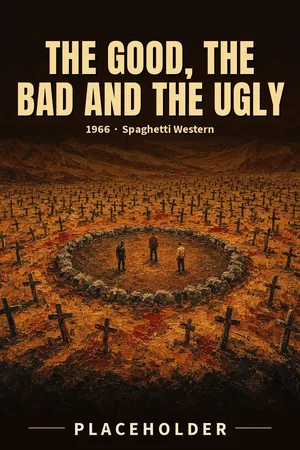

True Grit Rating: The Good, the Bad and the Ugly
Loading the ticket…
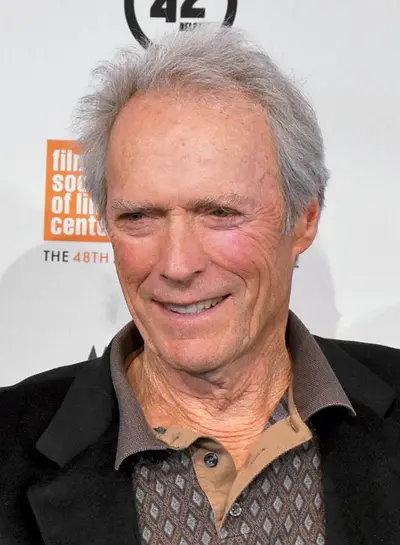
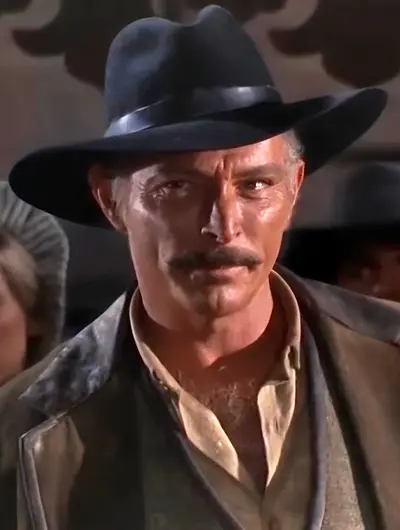
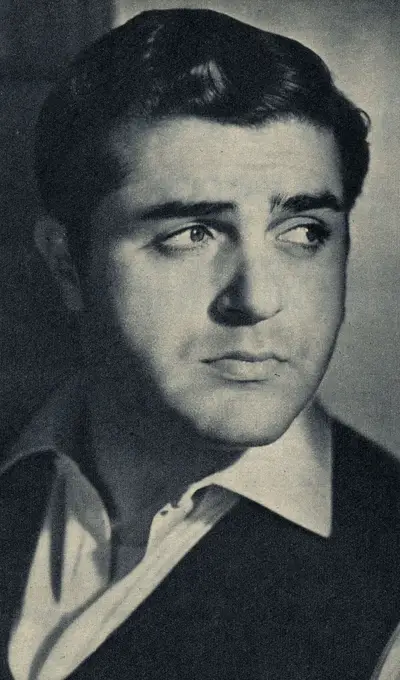
The Good, the Bad and the Ugly (Italian: Il buono, il brutto, il cattivo) is a 1966 Italian epic Western directed by Sergio Leone. Clint Eastwood plays "the Good", Lee Van Cleef "the Bad" and Eli Wallach "the Ugly". The third and final film of the Dollars Trilogy, it is set during the American Civil War. It is arguably the best of the trilogy and the definitive spaghetti Western.
Plot
In the American Southwest during the Civil War, three men chase a fortune in stolen Confederate gold. Angel Eyes (Van Cleef), a mercenary who kills whoever he is paid to, learns that the thief used the alias Bill Carson. The Mexican bandit Tuco Ramírez (Wallach) and a drifter he nicknames "Blondie" (Eastwood) run a profitable scam: Blondie hands Tuco over to the law for the bounty, then shoots through the hangman's rope before the trap drops.
Their partnership is far from friendly. Betrayals and revenge in the desert end with Tuco knowing the name of the cemetery where the gold is buried, and Blondie the name of the grave. Each needs the other, and Angel Eyes is never far behind. The search takes them through prison camps and battlefields, where the war's slaughter dwarfs their own greed, towards a cemetery called Sad Hill.
Production
After the success of For a Few Dollars More, United Artists approached the screenwriter Luciano Vincenzoni about a follow-up. With the producer Alberto Grimaldi and Leone, he pitched "a film about three rogues who are looking for some treasure at the time of the American Civil War". United Artists agreed to a budget of about a million dollars, which eventually rose to $1.2 million. The screenplay was written by Age & Scarpelli, Vincenzoni and Leone.
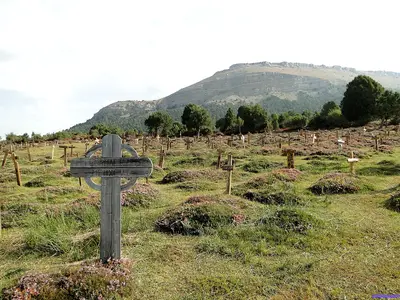
Filming began at Rome's Cinecittà studios in mid-May 1966 and moved to Spain: the northern plateau near Burgos, which stood in for the American Southwest, and Almería in the south. The production needed a town under cannon fire, a prison camp and a Civil War battlefield. For the climax, several hundred Spanish soldiers built the Sad Hill cemetery, with thousands of graves arranged to resemble an ancient Roman circus. A bridge explosion had to be filmed twice because the first blast destroyed all three cameras. Tonino Delli Colli shot the film in widescreen Techniscope.
Style and music
Leone pushed his trademark contrast of sweeping long shots and extreme close-ups of eyes, faces and hands further than ever, and he largely removed dialogue from the gunfights. The climactic three-way stand-off is his most famous example. Leone described the film as a satire of the Western, with exaggerated violence that took apart the genre's romantic view of the Old West.
Ennio Morricone developed the main themes before filming began, and Leone often played them on set and timed camera movements to the music. The score mixes orchestra with gunfire, whistling and voices, and "The Ecstasy of Gold", featuring the soprano Edda Dell'Orso, has been used by Metallica to open its concerts since 1985. The score is counted among the greatest in film history.
Release and reception
The film opened in Italy on 23 December 1966. In the United States, United Artists released all three Dollars films in 1967, this one on 29 December. Prints shown in Britain and the US were cut, and some deleted scenes were restored in the 2000s. Eastwood and Wallach re-recorded their dialogue for the restored scenes.
The film grossed about $38.9 million worldwide, including $25.1 million in the United States and Canada. It received mostly negative reviews at first, and critics objected in particular to its violence. Its reputation has since risen enormously.
Legacy
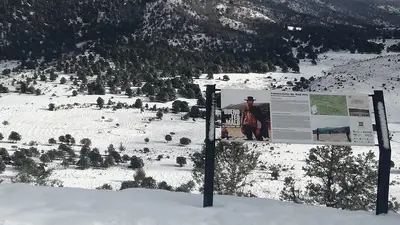
Time critics Richard Corliss and Richard Schickel included it in their list of the 100 greatest films, and Quentin Tarantino has called it "the best-directed film of all time". He paid homage to its stand-off in Reservoir Dogs (1992). The title has become an everyday English expression. Fans have rebuilt the Sad Hill cemetery at its original location near Santo Domingo de Silos, a project recorded in the documentary Sad Hill Unearthed (2017).
Key facts
- Released: 23 December 1966 (Italy); 29 December 1967 (US)
- Director: Sergio Leone
- Producer: Alberto Grimaldi
- Screenplay: Age & Scarpelli, Luciano Vincenzoni, Sergio Leone
- Cinematography: Tonino Delli Colli (Techniscope)
- Music: Ennio Morricone
- Budget: about $1.2 million
- Box office: about $38.9 million worldwide
- Filmed in: Cinecittà, Rome; Burgos province and Almería, Spain
- Series: third film of the Dollars Trilogy
- Directed by Sergio Leone
- Released 1966
- Italian production
- Cinematography by Tonino Delli Colli in Techniscope
- Score by Ennio Morricone
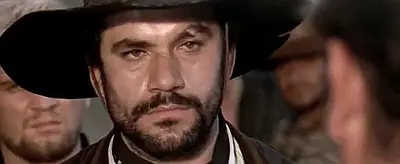
Cast
See also
If you liked this
Picked from this wiki's own links: same film series, same director, same lead actor.


Guns on screen
- Colt 1851 Navy, cartridge-conversion style (Uberti; snake grips) used by Blondie (Clint Eastwood) A cartridge version is used whenever he fires, and a percussion version in some other shots. Anachronistic for the 1862 setting. Sources: The Good, the Bad and the Ugly – Internet Movie Firearms Database (accessed 26 October 2026) · The Original Gun – The Man With No Name costume information (accessed 26 October 2026) · Cimarron Firearms completes "The Good, the Bad and the Ugly" guns trilogy – all4shooters (2020) (accessed 26 October 2026)
- Colt 1851 Navy, cartridge conversion with lanyard ring used by Tuco (Eli Wallach) Carried in his pocket, not a holster. It switches between cartridge and percussion versions from shot to shot. Sources: The Good, the Bad and the Ugly – Internet Movie Firearms Database (accessed 26 October 2026) · Cimarron Firearms completes "The Good, the Bad and the Ugly" guns trilogy – all4shooters (2020) (accessed 26 October 2026)
- Remington New Model Army ('1858') used by Angel Eyes (Lee Van Cleef) His personal sidearm, used to kill Stevens and his son. He also carries a Union-issue Colt Navy. Sources: The Good, the Bad and the Ugly – Internet Movie Firearms Database (accessed 26 October 2026) · Cimarron Firearms completes "The Good, the Bad and the Ugly" guns trilogy – all4shooters (2020) (accessed 26 October 2026) · The Original Gun – The Man With No Name costume information (accessed 26 October 2026)
- Winchester Model 1866 'Yellow Boy' with side-mounted scope used by Blondie (Clint Eastwood) Used in the bounty-hunting scam's hanging scenes; the scope was fitted for the second hanging. (single source) Sources: The Good, the Bad and the Ugly – Internet Movie Firearms Database (accessed 26 October 2026)
- Spencer Model 1860 civilian rifle (octagonal barrel) used by Blondie (Clint Eastwood) Fired to shoot through Tuco's rope in the graveyard at Sad Hill. Often mistaken for a Sharps. (single source) Sources: The Good, the Bad and the Ugly – Internet Movie Firearms Database (accessed 26 October 2026)
Filming locations
- Sad Hill Cemetery · Mirandilla Valley, Santo Domingo de Silos (Contreras), Burgos, Castile and León, Spain · map · Wikidata · Built for the final three-way duel by several hundred Spanish soldiers, with thousands of graves laid out like a Roman circus. Later restored by volunteers, as shown in the documentary Sad Hill Unearthed (2017). · Sources: The Good, the Bad and the Ugly route – Burgos Film Commission (accessed 26 October 2026) · Western route – Burgos Film Commission (accessed 26 October 2026) · The Good, the Bad and the Ugly – Wikipedia (accessed 26 October 2026) · Wikidata: The Good, the Bad and the Ugly (P915 filming location) (accessed 26 October 2026)
- Langstone Bridge battle site · Arlanza River, about 3.5 km from Hortigüela, Burgos, Castile and León, Spain · Wikidata · The Spanish army built the bridge, and had to rebuild it after a premature detonation. · Sources: The Good, the Bad and the Ugly route – Burgos Film Commission (accessed 26 October 2026) · Western route – Burgos Film Commission (accessed 26 October 2026) · The Good, the Bad and the Ugly – Wikipedia (accessed 26 October 2026)
- Monastery of San Pedro de Arlanza · Hortigüela, Burgos, Castile and León, Spain · map · Wikidata · Interiors of the San Antonio mission. · Sources: The Good, the Bad and the Ugly route – Burgos Film Commission (accessed 26 October 2026) · Western route – Burgos Film Commission (accessed 26 October 2026)
- Betterville prison camp (Majada de las Merinas) · near Carazo, Burgos, Castile and León, Spain · Prison-camp set. · Sources: The Good, the Bad and the Ugly route – Burgos Film Commission (accessed 26 October 2026) · Western route – Burgos Film Commission (accessed 26 October 2026) · The Good, the Bad and the Ugly – Wikipedia (accessed 26 October 2026)
- Cortijo del Fraile · Los Albaricoques, Níjar, Almería, Andalusia, Spain · map · Wikidata · Exterior of the San Antonio mission. · Sources: Western route – Burgos Film Commission (accessed 26 October 2026) · Links to Google Maps – Fistful of Locations (fan site) (accessed 26 October 2026)
- Tabernas Desert · Tabernas, Almería, Andalusia, Spain · map · Wikidata · Desert and several other scenes. One source places the opening plateau and the hanging scenes at the Mini Hollywood set (now Oasys). · Sources: The Good, the Bad and the Ugly – Wikipedia (accessed 26 October 2026) · Links to Google Maps – Fistful of Locations (fan site) (accessed 26 October 2026) · Wikidata: The Good, the Bad and the Ugly (P915 filming location) (accessed 26 October 2026)
- Cinecittà Studios · Rome, Lazio, Italy · map · Wikidata · Production started here in mid-May 1966. · Sources: The Good, the Bad and the Ugly – Wikipedia (accessed 26 October 2026)
Frontier folk
This film is listed on: Bounty hunters · Outlaws, gangs and robbers (all Frontier folk)
Gallery 8









True Grit RatingWhat's this?Woke: None found★★★★★SVLIMDb ★8.8
True Grit score: 99/100, Gold
How the score is worked out:
- Start100
- Diamond needs all five checks; not met (raw score under 109): 100 → 99
- True Grit score99 · Gold
Classic Western checks
1 of 5 yes · Mostly classic
- Called “revisionist”YesOne review calls Leone's Man with No Name trilogy (which another review lists as these three films) his most distinctive revisionist material.[1][2]
- Settlers or cavalry as villainsNoThe villains are individual outlaws (Angel Eyes and other “scoundrels”), not settlers, cowboys or cavalry as a group.[3]
- Faith shown negativelyNoTuco's brother is a priest at a mission who cares for the wounded; the plot shows no clergy or faith portrayed negatively.[4]
- History rewrittenNoThe broad history is right: General Sibley's Confederate army retreats from New Mexico in 1862, as it did. [5][6]
more
The broad history is right: General Sibley's Confederate army retreats from New Mexico in 1862, as it did. The battle scenes have anachronisms (a Gatling gun, heavy mortars, trench warfare), which are inaccurate detail rather than rewritten events. - A people shown as villainsNoNo: the plot source names the villains as individuals; no ethnic, national or religious people is the enemy as a group.[7]
Woke content (modern messaging)
None found0 of 8 items found so far
Show all 8 (4 not found · 4 not known)
Unless noted: Unknown.
- Characters recast for representationNot foundAn original story with invented characters (no source work and no real people), so no established or historical figure could be recast.[4]
- Gender roles reversed or critiquedNot known
- Present-day political languageNot known
- Allegory for current politicsNot foundReleased in 1966, before the 21st-century debates this item covers, so it cannot be an allegory of them.[4]
- Western civilisation framed as inherently guiltyNot known
- Environmental activismNot foundNo: no source raises an environmental message (5 Nov 2026).[4]
- Source material changed for messagingNot foundAn original screenplay (no novel, earlier film or established characters), so there is no source to change.[4]
- LGBT or gender-identity themesNot known
Traditional values
★★★★★0/5[3]
From one parents' guide's positive messages and role models ratings: positive messages not present (0); average 0, rounded to 0.
Content guide
- SSex & nudityModerateModerate sex, romance and nudity (3/5 in one parents' guide).[3]
- VViolenceStrongStrong violence and scariness (5/5 in one parents' guide).[3]
- LLanguageModerateModerate language (3/5 in one parents' guide).[3]
NoneMildModerateStrongNot known
Audience
★ 8.8/10 from viewers on IMDb (904k votes)No deduction (5.0 and up).
Sources
- Slant Magazine: Once Upon a Time in the West
- Deep Focus Review, Brian Eggert: Once Upon a Time in the West
- Common Sense Media: The Good, the Bad and the Ugly
- Wikipedia: The Good, the Bad and the Ugly (plot)
- National Park Service, Pecos NHP: Battle of Glorieta Pass (checked 17 October 2026)
- ScreenRant (5 Sep 2023), reporting Garry Adelman (checked 17 October 2026)
- catalog.afi.com/Catalog/MovieDetailsPrintView/21518
Information courtesy of IMDb (https://www.imdb.com). IMDb rating as of 13 October 2026.
Checked 17 October 2026 · Reviewed by Frontier Editor
Member reviews
What members think. Member reviews never change the True Grit score. The True Grit score is worked out by the editors from sources.
Sources
- The Good, the Bad and the Ugly - Wikipedia en.wikipedia.org
- Wikidata: Q41483 wikidata.org
- The Good the Bad and the Ugly - Britannica britannica.com
- IMDb Non-Commercial Datasets developer.imdb.com
- Rotten Tomatoes (score via Wikidata) rottentomatoes.com
- Metacritic (score via Wikidata) metacritic.com
- Wikimedia Commons: Cementerio de Sad Hill (40092561623).jpg commons.wikimedia.org
- Wikimedia Commons: Eli Wallach - publicity.jpg commons.wikimedia.org
- Wikimedia Commons: Il buono, il brutto, il cattivo (The Good, the Bad and the Ugly) logo.png commons.wikimedia.org
- Wikimedia Commons: Il buono, il brutto, il cattivo.png commons.wikimedia.org
- Wikimedia Commons: L%27Home sense nom.jpg commons.wikimedia.org
- Wikimedia Commons: Mirador del Cementerio de Sad Hill, en invierno.jpg commons.wikimedia.org
- Wikimedia Commons: Mole Antonelliana (90767).jpg commons.wikimedia.org
- Wikimedia Commons: Mole Antonelliana (98291).jpg commons.wikimedia.org
- Wikimedia Commons: Pieza Whitworth de 75mm. modelo 1873 1.JPG commons.wikimedia.org
