
Top 10 B Westerns and singing cowboys
Ranked by True Grit score, then IMDb votes. TV series are listed under TV, not here.



About B Westerns and singing cowboys
From the wiki's article on the genre.
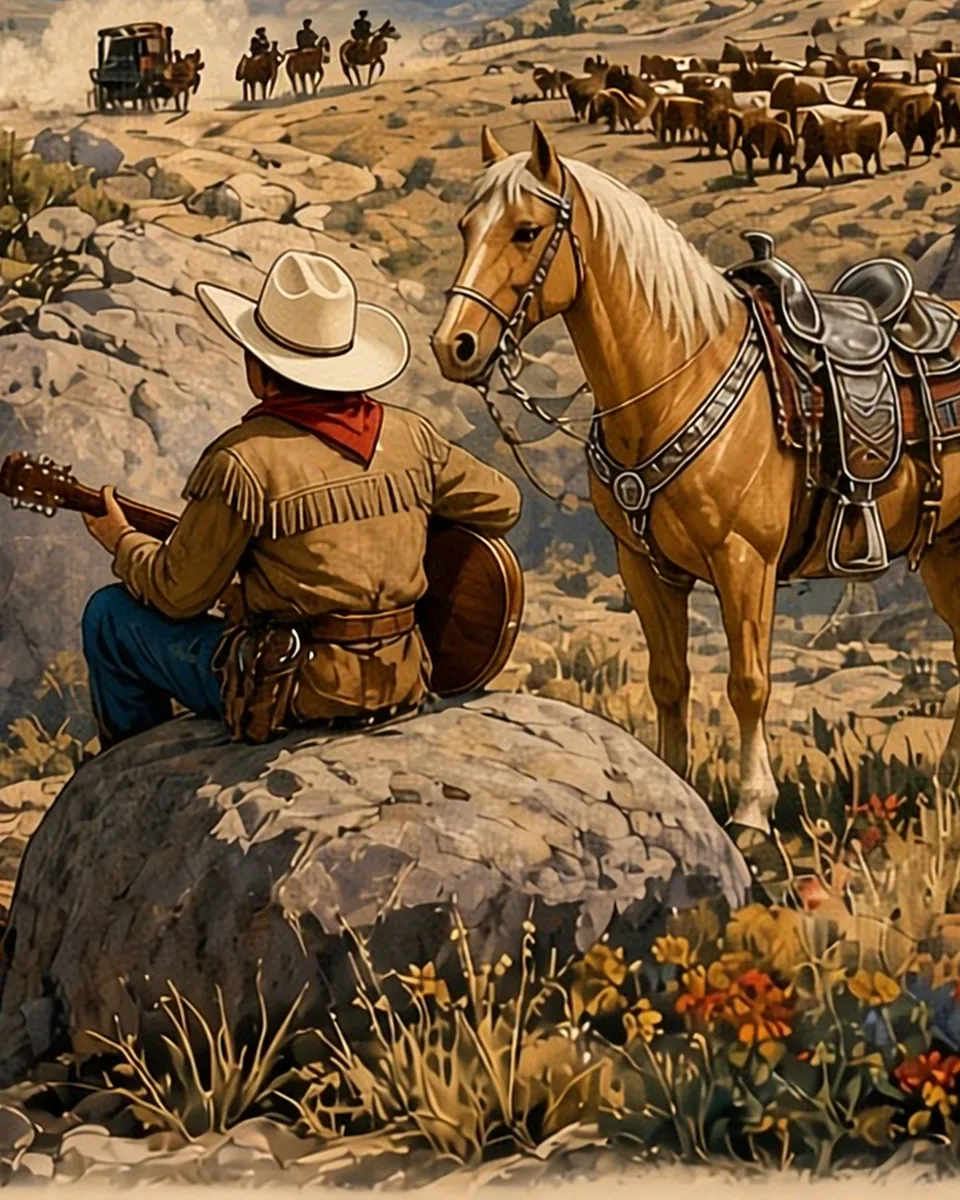
Many starred singing cowboys, a type made popular by Gene Autry and later Tex Ritter and Roy Rogers, who were a fixture of such films from the late 1930s into the 1950s.
The double bill
When sound arrived in American cinemas around 1929, many independent exhibitors adopted a new programme: a newsreel, a short or a serial, a cartoon and then a double feature. The second feature had to be short and cheap, and B movies made up the majority of Hollywood production throughout the Golden Age. Historian Brian Taves estimates that about 75 per cent of Hollywood films of the 1930s, more than 4,000 pictures, can be classed as Bs.
The Western was by far the leading B genre in the 1930s, and only slightly less so in the 1940s. For most of the Golden Age, Westerns of every kind made up 25 to 30 per cent of all Hollywood features. With the coming of sound the major studios had largely abandoned the genre, leaving it to smaller studios that churned out countless cheap features and serials.
Poverty Row
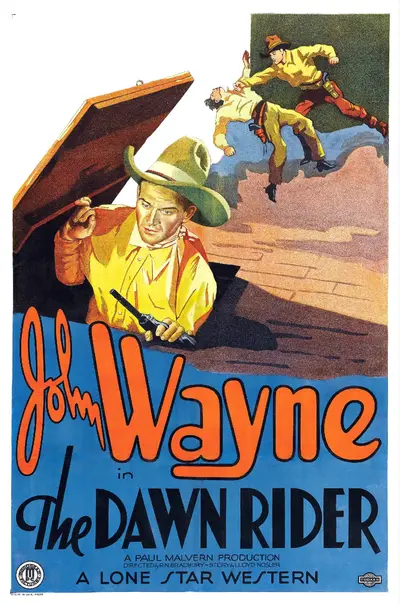
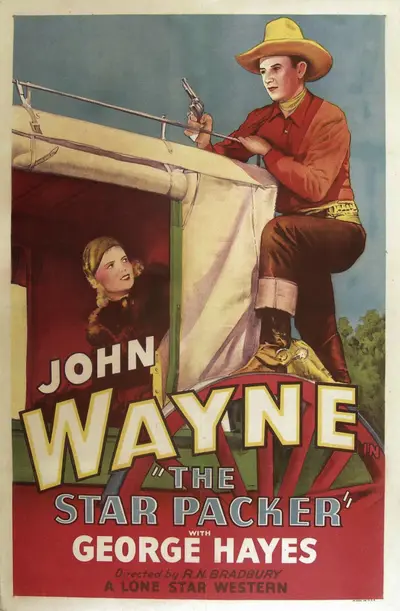
Much of this output came from the small "Poverty Row" studios. In 1935 several of them, including Monogram, Mascot and Liberty, merged to form Republic Pictures, although Monogram soon pulled out and revived itself. Republic aimed for respectability while making many cheap Westerns; between 1945 and 1950, according to the critic James Naremore, its average B Western cost about $50,000. The major studios ran B series too: the film historian Jon Tuska lists the Universal films of Tom Mix, Ken Maynard and Buck Jones, Columbia's films with Buck Jones and Tim McCoy, the RKO George O'Brien series (see George O'Brien) and Republic's Westerns with John Wayne.
Continue reading · 3 more sections
John Wayne's B years
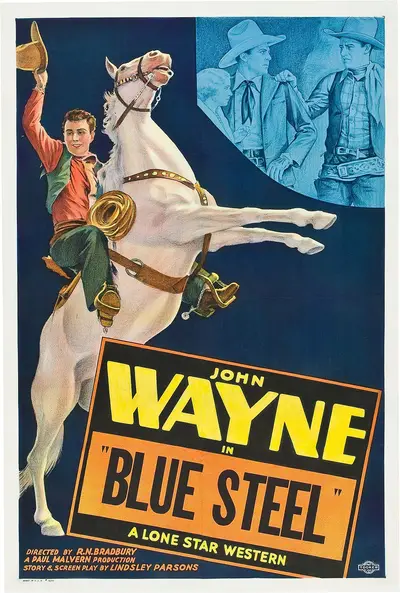
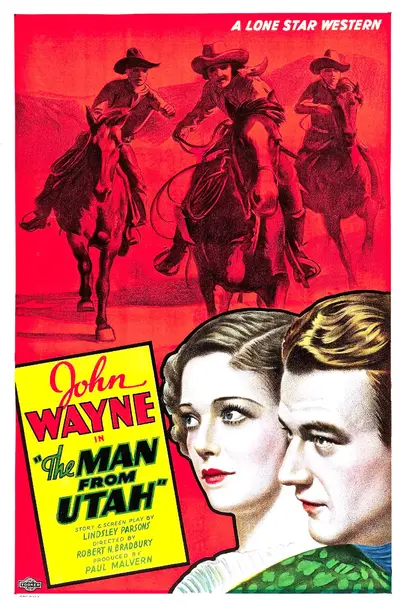
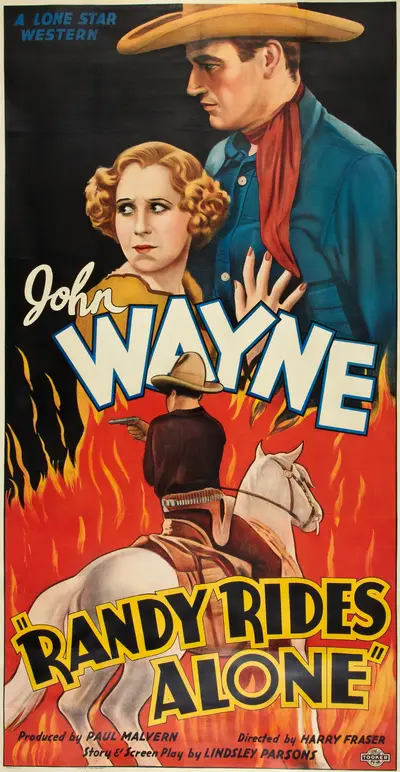
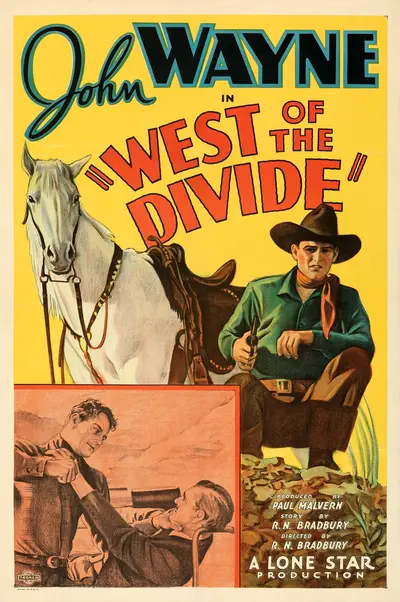
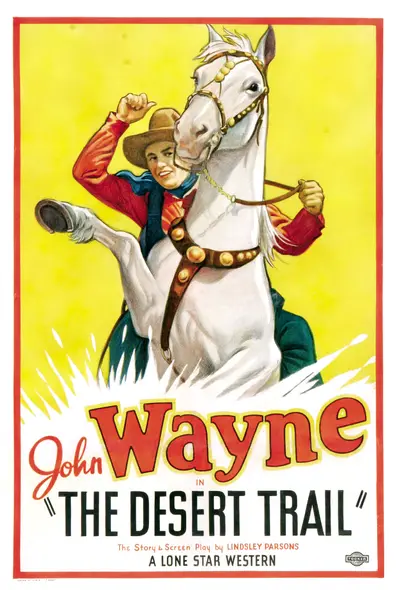
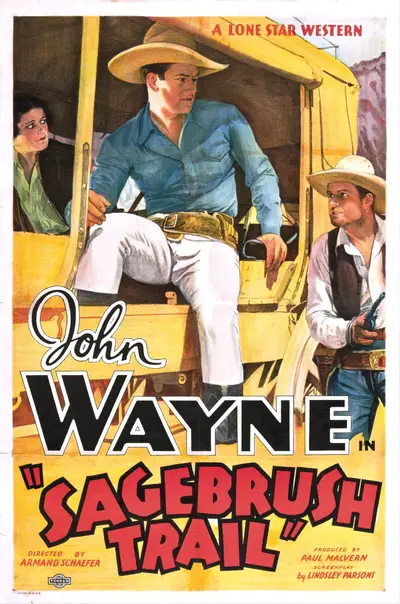
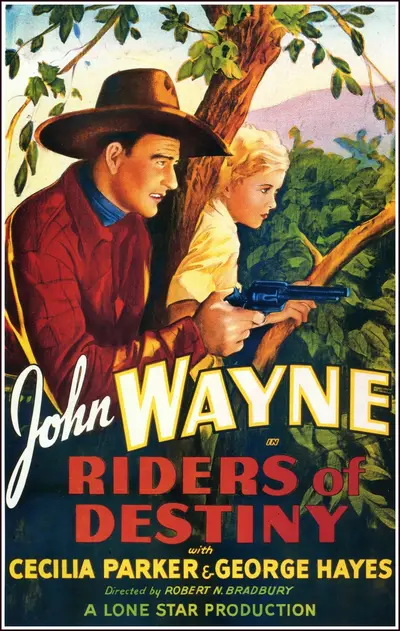
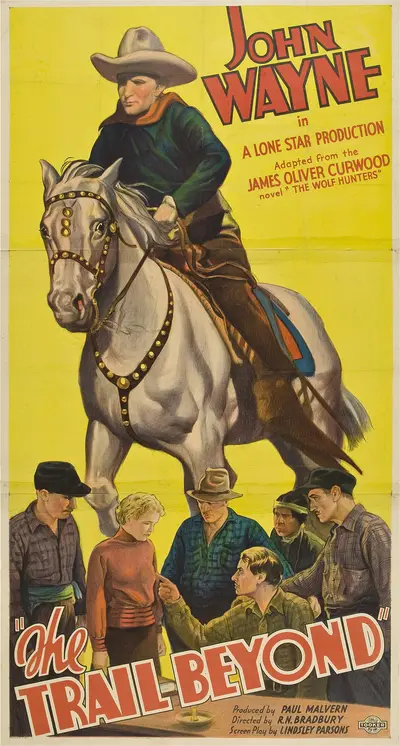
Wayne's first lead in the epic The Big Trail (1930) did not make him a star, and he spent most of the 1930s in fast, cheap B Westerns such as Riders of Destiny (1933) and Blue Steel (1934). A confirmed public-domain copy of Blue Steel is held at the Internet Archive. Only John Ford's Stagecoach (1939) lifted him out of the B-Western ranks.
The singing cowboy
The singing cowboy drew on the real campfire ballads of the trail. The image was established on record in 1925, when Carl T. Sprague recorded "When the Work's All Done This Fall", but the type reached its full popularity only with sound films and the growth of the country music industry. Ken Maynard was the screen's first singing cowboy, singing two songs in Sons of the Saddle (1930).
The most famous was Gene Autry, a former rodeo rider. When Wayne declined further singing roles, Republic chose Autry because he could both sing and ride. His screen career began with the serial The Phantom Empire (1935), and he became the first sound-era cowboy star to use his own name for his character. Autry and later Roy Rogers often appeared in present-day settings, with cars, aeroplanes and telephones, which made them forerunners of the neo-Western. Their horses, Champion and Trigger, became stars in their own right (see Famous film horses).
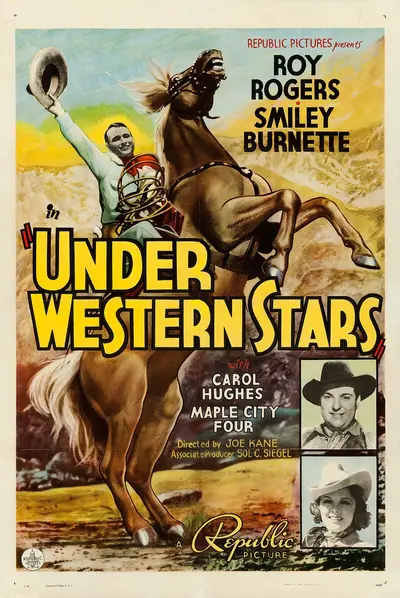
Roy Rogers had his first starring role in Republic's Under Western Stars (1938), in which a singing cowboy runs for Congress to win federal help for small ranchers who have lost their water rights in the Dust Bowl. Typical singing cowboys were white-hatted, clean-shaven heroes who showed their feelings in song, often backed by big-band or Western swing arrangements.
Television
When television spread in the late 1940s and 1950s, Westerns quickly became a favourite there too. TV began by rebroadcasting old films, and many movie cowboys got their own shows. The tag "B Western" in this wiki covers films classed in the "B western" genre and pre-1956 films starring Autry, Rogers or Ritter, so it is a rough guide rather than a complete list.
All 20 films
Every film tagged B Westerns and singing cowboys, in the same order. Films not yet rated on True Grit come last.
Show the other 10 films
- 11True Grit 99, Gold
- 12True Grit 99, Gold
- 13True Grit 99, Gold
- 14True Grit 84, Silver
- 15True Grit 84, Silver (provisional)
- 16True Grit 84, Silver (provisional)
- 17True Grit 84, Silver (provisional)
- 18True Grit 84, Silver (provisional)
- 19True Grit 84, Silver (provisional)
- 20True Grit 84, Silver (provisional)




Related sub-genres
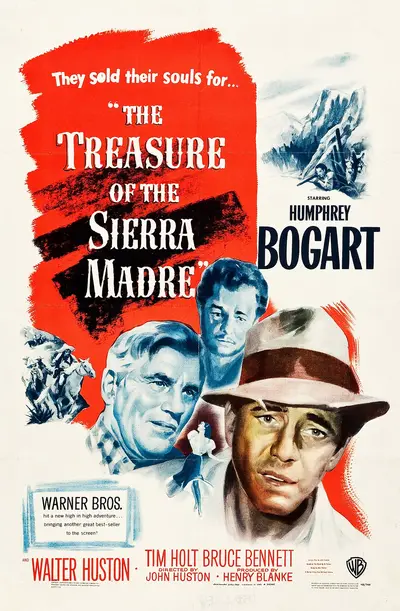
- Classic Westerns384 films · 165 classicsWesterns of Hollywood's studio era, when the genre was at its most popular.Top rated: The Treasure of the Sierra Madre (1948)
- Weird Westerns22 films · 1 classicsWesterns that bring in fantasy, horror or science fiction, from frontier stories with ghosts, vampires and monsters to futuristic machines and alien invaders.Top rated: Pale Rider (1985)
- Acid Westerns9 films · 5 classicsA strand of the Western from the 1960s and 1970s that mixed the ambitions of acclaimed Westerns such as Shane and The Searchers with the excesses of the spaghetti Western, coloured by the counterculture and drug culture of the time.Top rated: Wild Bill (1995)
- American Westerns745 films · 304 classicsWesterns made in the United States, where the genre began.Top rated: True Grit (2010)
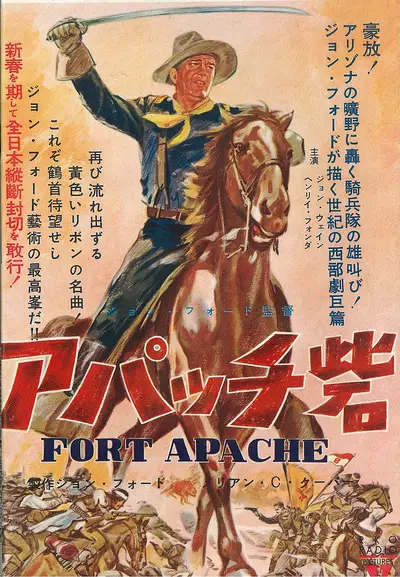
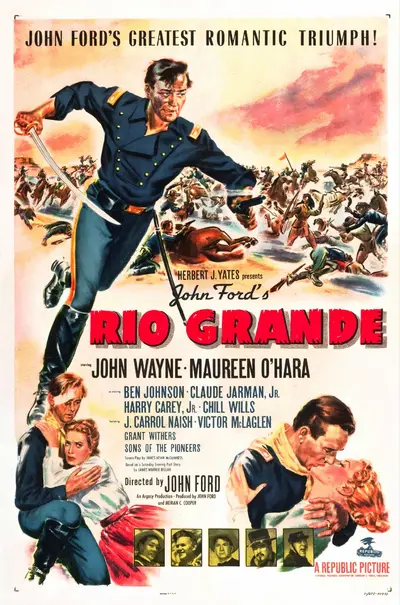
- Cavalry Westerns46 films · 19 classicsWesterns centred on the US Cavalry on the frontier, such as John Ford's 'cavalry trilogy' of Fort Apache, She Wore a Yellow Ribbon and Rio Grande.Top rated: Fort Apache (1948)
- Comedy Westerns127 films · 0 classicsWesterns played mainly for laughs, from gentle comedies to outright parodies of the genre.Top rated: Back to the Future Part III (1990)




Member reviews
What members think. Member reviews never change the True Grit score. The True Grit score is worked out by the editors from sources.
Sources
How well sourced: 4 sources (2 independent; Wikipedia and Wikidata count as one). See sources.
- B movies (Hollywood Golden Age) - Wikipedia en.wikipedia.org
- Singing cowboy - Wikipedia en.wikipedia.org
- Western - Britannica britannica.com
- Wikidata: Q4836991 wikidata.org