
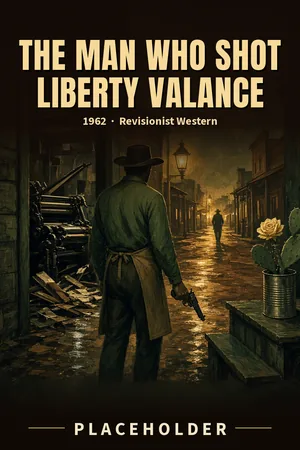

True Grit Rating: The Man Who Shot Liberty Valance
Loading the ticket…
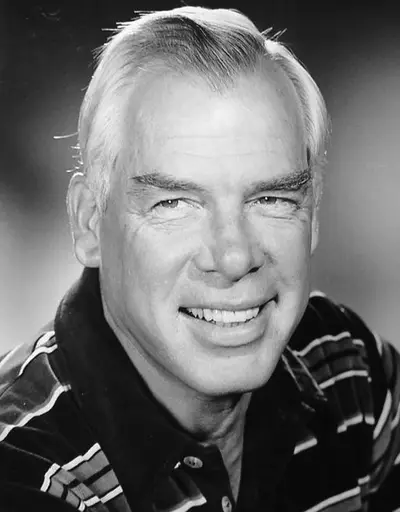
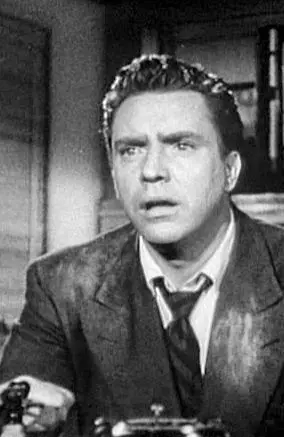
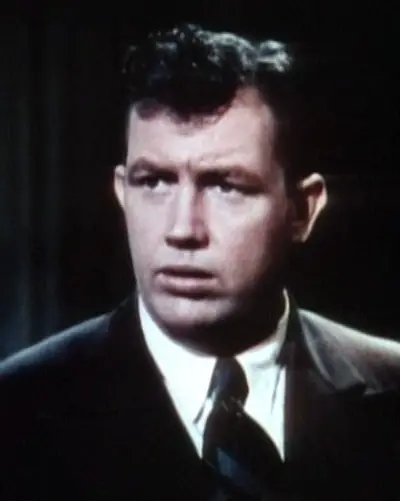
The Man Who Shot Liberty Valance is a 1962 black-and-white American Western directed by John Ford and starring John Wayne and James Stewart in their first film together. James Warner Bellah and Willis Goldbeck adapted the screenplay from a 1949 short story by Dorothy M. Johnson. Vera Miles and Lee Marvin head a supporting cast that also includes Edmond O'Brien, Andy Devine, John Carradine, Woody Strode and Lee Van Cleef. It has been called Ford's poetic and sombre look at the end of the Wild West era, and it is widely considered his last great film.
Plot
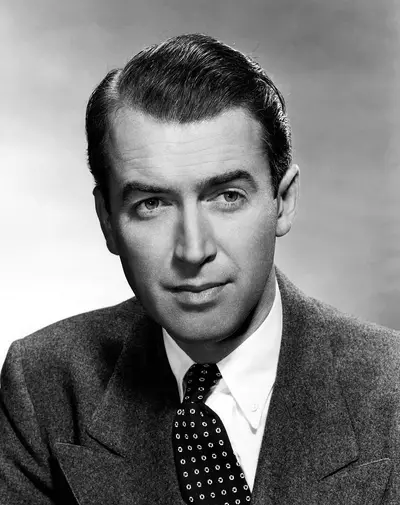
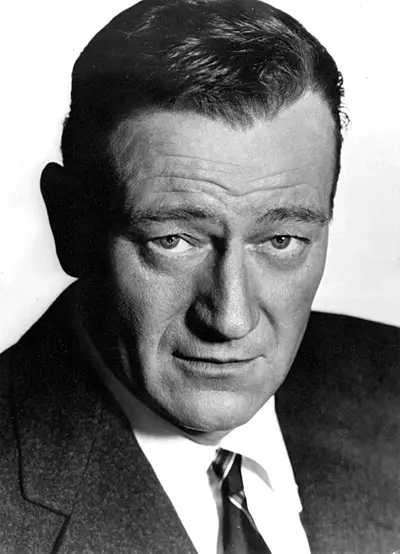
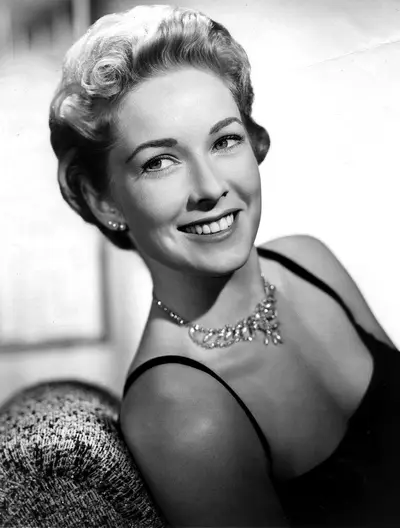
Near the turn of the 20th century, Senator Ransom "Ranse" Stoddard (Stewart) and his wife Hallie (Miles) arrive in the small Western town of Shinbone for the funeral of Tom Doniphon (Wayne), a poor rancher. When the local newspaper asks why a senator would attend such a funeral, Stoddard tells a story that goes back 25 years.
As a young lawyer travelling west, Stoddard was beaten and robbed by the outlaw Liberty Valance (Marvin) and his gang. Doniphon and his hired hand, Pompey (Strode), found him and brought him to Shinbone, where Hallie nursed him. Stoddard believes in law books, schools and votes. Doniphon believes in his gun. Valance terrorises the town, and the conflict between law and the gun, and the rivalry of two very different men for Hallie, can only end in a showdown. What the newspapermen do with the truth behind that showdown gives the film its famous line: "This is the West, sir. When the legend becomes fact, print the legend."
Production
Unlike earlier Ford Westerns such as The Searchers and She Wore a Yellow Ribbon, the film was shot in black and white, mostly on Paramount's soundstages rather than in Monument Valley. There are many stories about why. Ford said he preferred black and white, calling it "real photography", and he reportedly felt the climactic shoot-out would not have worked in colour. William H. Clothier was the cinematographer and Willis Goldbeck produced.
Cyril J. Mockridge wrote the score, but in the scenes about Hallie's feelings for Doniphon and Stoddard Ford reused Alfred Newman's "Ann Rutledge Theme" from his earlier film Young Mr. Lincoln. He told Peter Bogdanovich that he used it in both films to suggest repressed desire and lost love. Gene Pitney's hit song about the film does not appear in it.
Reception
Released in April 1962, the film cost about $3.2 million and grossed about $8 million, making it one of the top-grossing films of the year. Edith Head's costumes were nominated for the Academy Award for Best Costume Design (black-and-white), one of the few times a Western has been nominated in that category.
Accounts of the critical reaction differ. Some describe contemporary reviews as generally positive, though several critics found the final act a letdown, and Variety suggested the film would have been better 20 minutes shorter. Others say it was not well received by critics, many of whom found it claustrophobic, and that Wayne and Stewart were arguably too old for their roles.
Legacy
The film's reputation has grown steadily. Its themes of the closing frontier, the coming of law and statehood, and the gap between history and legend have made it one of the most discussed Westerns. Those themes run through this wiki's pages on Wyatt Earp and Wild Bill Hickok. Marvin's Valance is often called one of the screen's most notorious villains. In 2007 the film was added to the US National Film Registry.
Key facts
- Released: 22 April 1962
- Director: John Ford
- Producer: Willis Goldbeck
- Screenplay: James Warner Bellah and Willis Goldbeck, from Dorothy M. Johnson's 1949 short story
- Cinematography: William H. Clothier (black and white)
- Music: Cyril J. Mockridge
- Distributor: Paramount Pictures
- Running time: 123 minutes
- Budget: $3.2 million
- Box office: about $8 million
- National Film Registry: 2007
- Directed by John Ford
- Released 1962
- Adapted from Dorothy M. Johnson's 1949 short story
Cast
See also
If you liked this
Picked from this wiki's own links: same film series, same director, same lead actor.


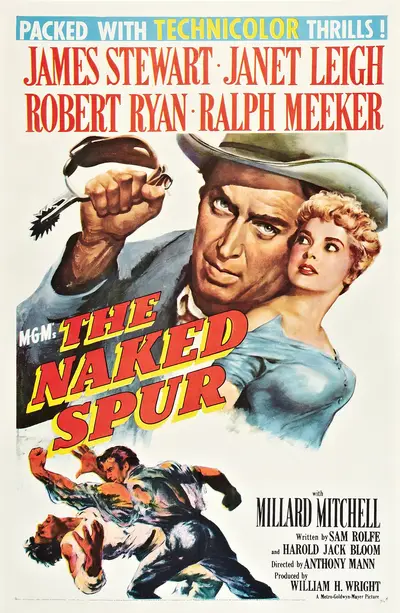 The Naked Spur1953Also starring James Stewart

Frontier folk
This film is listed on: Frontier wives, mothers and widows · Hired guns and range bullies · Homesteaders, settlers and wagon-train families · Outlaws, gangs and robbers · Ranchers, cattlemen and cowboys · Doctors, schoolteachers, newspaper editors and shopkeepers (all Frontier folk)
True Grit RatingWhat's this?Woke: None foundSVLIMDb ★8.1Partly checked
True Grit score: 99/100, Gold Partly checked
How the score is worked out:
- Start100
- Diamond needs all five checks; not met (raw score under 109): 100 → 99
- Presumed (Hays Code, 1934–1967): violence, language presumed no, counted as checked0
- True Grit score99 · Gold
Classic Western checks
1 of 5 yes · Mostly classic
- Called “revisionist”YesYes: a reliable source calls it a revisionist Western or says it takes apart the genre's myths.[1]
- Settlers or cavalry as villainsNoThe villain is the outlaw Liberty Valance and his two sidekicks; the townspeople and farmers are his victims. [2][3]
more
The villain is the outlaw Liberty Valance and his two sidekicks; the townspeople and farmers are his victims. Valance is backed by the cattle interests opposing statehood; the farmers and townsfolk are the sympathetic side. - Faith shown negativelyNoThe plot shows no clergy or faith portrayed negatively.[3]
- History rewrittenNoFiction with invented characters, from Dorothy M. [3]
more
Fiction with invented characters, from Dorothy M. Johnson’s short story. - A people shown as villainsNoNo: the plot source pins the villainy on named individuals or a specific band, not on a people as a whole.[4]
Woke content (modern messaging)
None found0 of 8 items found so far
Show all 8 (3 not found · 5 not known)
Unless noted: Unknown.
- Characters recast for representationNot foundThe characters of Dorothy M.[3]
- Gender roles reversed or critiquedNot known
- Present-day political languageNot known
- Allegory for current politicsNot foundReleased in 1962, before the 21st-century debates this item covers, so it cannot be an allegory of them.[3]
- Western civilisation framed as inherently guiltyNot known
- Environmental activismNot foundNo: no source raises an environmental message (5 Nov 2026).[3]
- Source material changed for messagingNot known
- LGBT or gender-identity themesNot known
Content guide
Presumed no (Hays Code)
UK classification advice lists no sex or nudity issues.
Certificates: BBFC U FSK FSK 12
NoneMildModerateStrongNot known
Audience
★ 8.1/10 from viewers on IMDb (90k votes)No deduction (5.0 and up).
Sources
- Grokipedia: The Man Who Shot Liberty Valance (1962)
- Roger Ebert, “Great Movies” (28 Dec 2011)
- Wikipedia: films/the-man-who-shot-liberty-valance-1962 (plot) (checked 17 October 2026)
- catalog.afi.com/Catalog/MovieDetailsPrintView/23755
- bbfc.co.uk/release/the-man-who-shot-liberty-valance-q29sbgvjdglvbjpwwc0ynzk2ndy
Information courtesy of IMDb (https://www.imdb.com). IMDb rating as of 13 October 2026.
Checked 17 October 2026 · Reviewed by Frontier Editor
Partly checked: 1 check not known. Not known items are left out of the score.
Member reviews
What members think. Member reviews never change the True Grit score. The True Grit score is worked out by the editors from sources.
Sources
- The Man Who Shot Liberty Valance - Wikipedia en.wikipedia.org
- Wikidata: Q555687 wikidata.org
- Wikimedia Commons: The Man Who Shot Liberty Valance (1962 poster).jpg commons.wikimedia.org
- The Man Who Shot Liberty Valance film 1962 - Britannica britannica.com
- IMDb Non-Commercial Datasets developer.imdb.com
- The man who shot liberty valance q29sbgvjdglvbjpwwc0ynzk2ndy - bbfc.co.uk bbfc.co.uk
- Rotten Tomatoes (score via Wikidata) rottentomatoes.com
- Metacritic (score via Wikidata) metacritic.com
- Wikimedia Commons: The Man Who Shot Liberty Valance (publicity photo - Wayne %26 Stewart).jpg commons.wikimedia.org
- Wikimedia Commons: The Man Who Shot Liberty Valance.jpg commons.wikimedia.org
- Wikimedia Commons: Vera Miles %26 James Stewart The Man Who Shot Liberty Valance Still.jpg commons.wikimedia.org


