
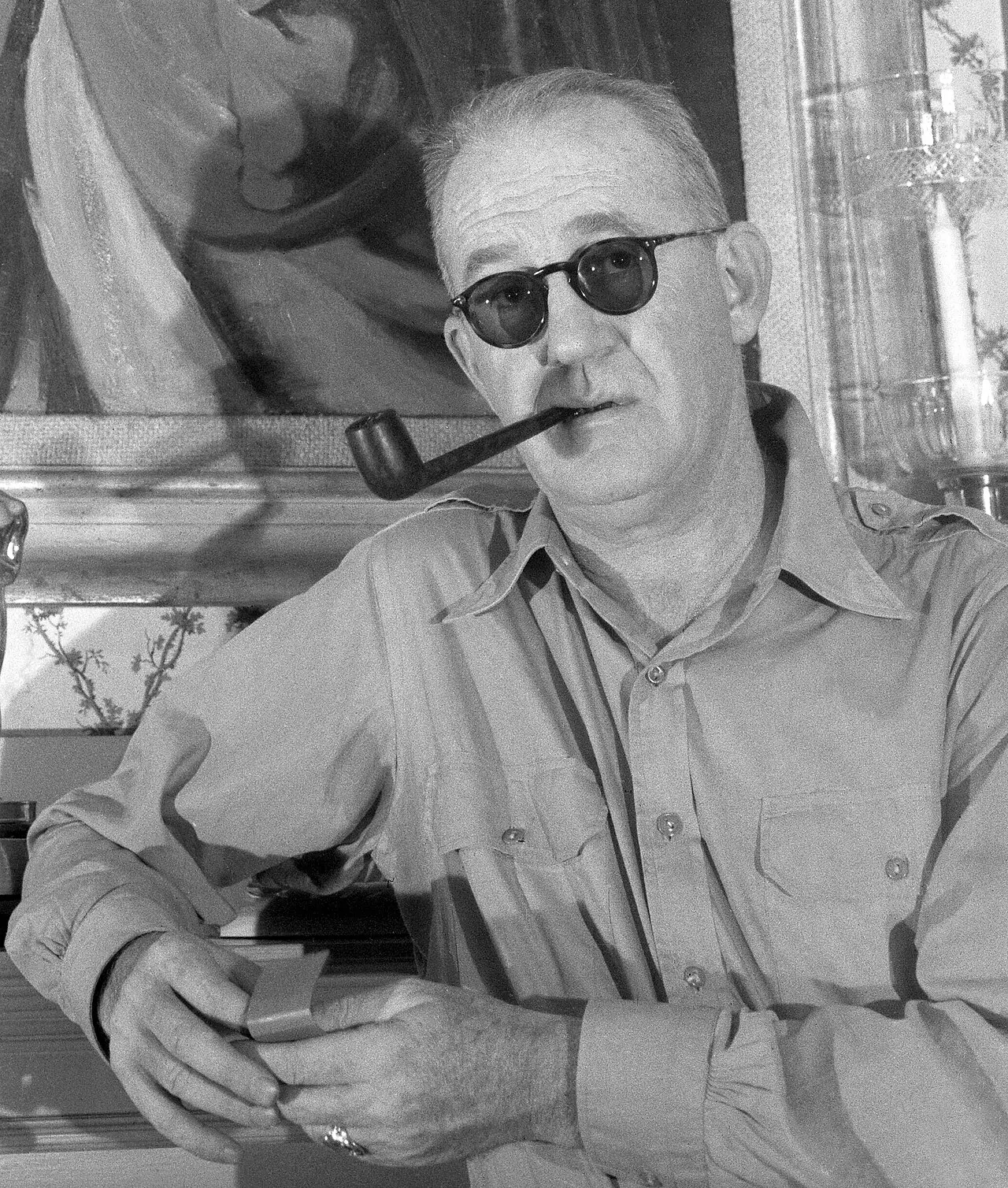

John Ford (born John Martin Feeney, 1 February 1894 – 31 August 1973) was an American film director and producer, and the most influential maker of Westerns in Hollywood history. Over a career of more than fifty years he directed well over 130 films, many of them now lost silents. He won a record four Academy Awards for Best Director, yet none of them was for a Western: they were for The Informer (1935), The Grapes of Wrath (1940), How Green Was My Valley (1941) and The Quiet Man (1952). It is his Westerns, though, shot against the buttes of Monument Valley, that shaped how the world pictures the American frontier.
Early life
Ford was born in Cape Elizabeth, Maine, to Irish immigrant parents: his father came from Spiddal, County Galway, and his mother from Inishmore in the Aran Islands. He later liked to give his name as Seán Aloysius O'Feeney or Ó Fearna, and he sometimes claimed to have been born in 1895, the year wrongly carved on his gravestone. He followed his elder brother Francis, an actor-director, to Hollywood and learned the trade as a jack-of-all-trades on Francis's pictures.
Silent Westerns
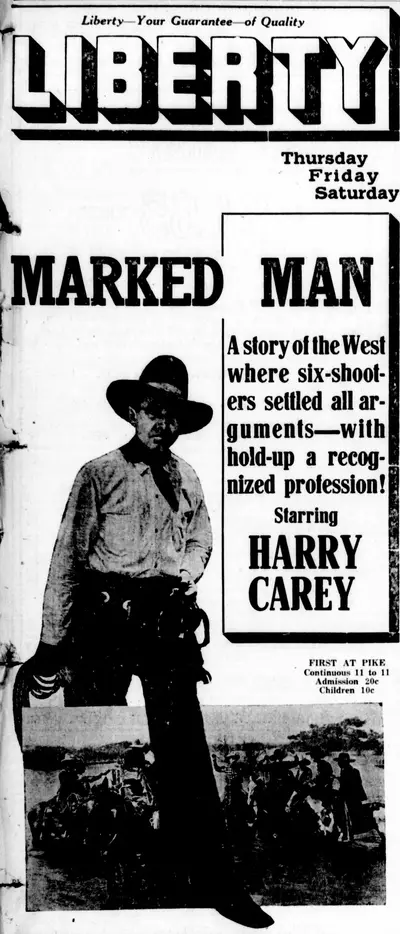
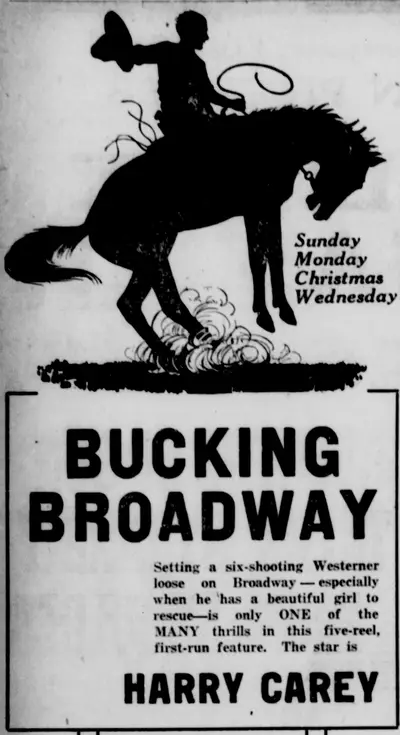
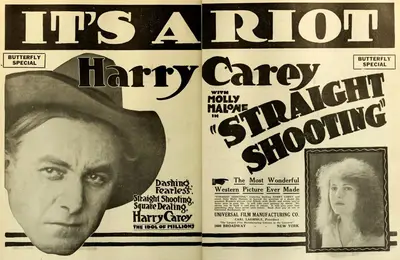
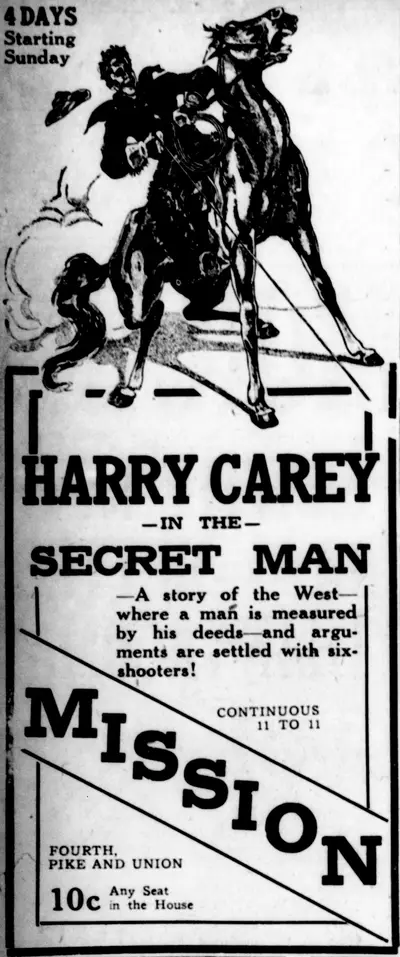
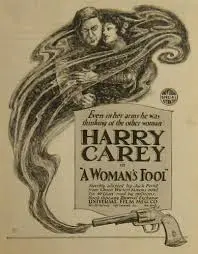
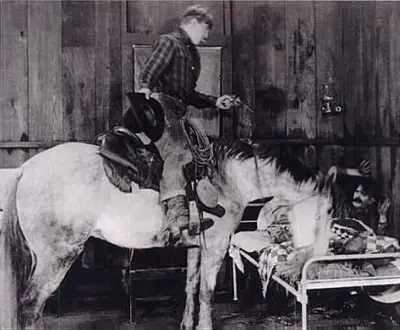
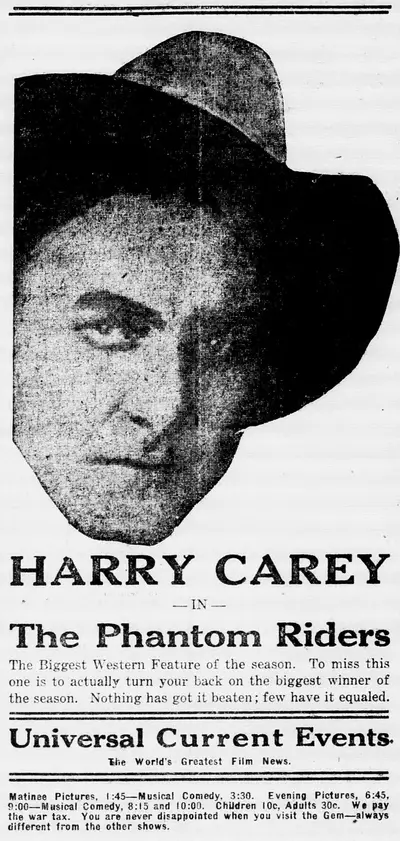
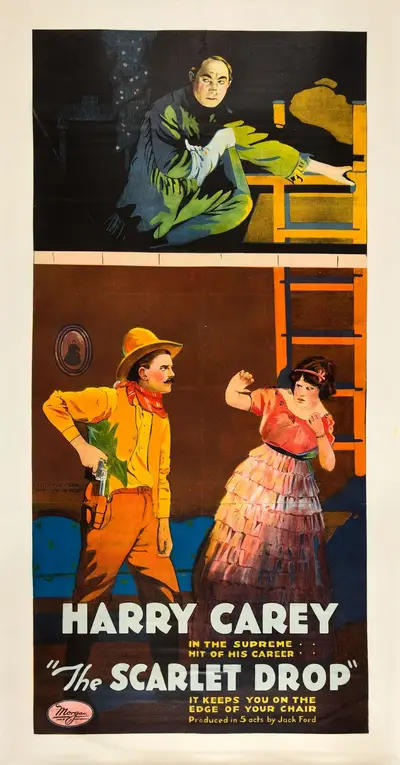
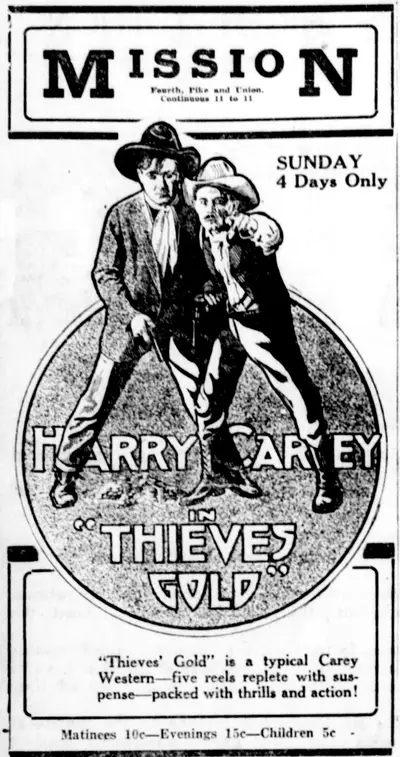
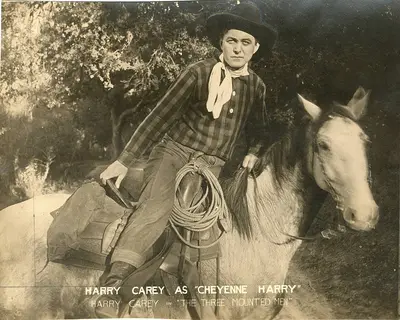
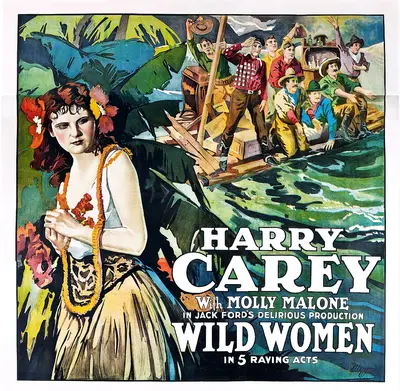
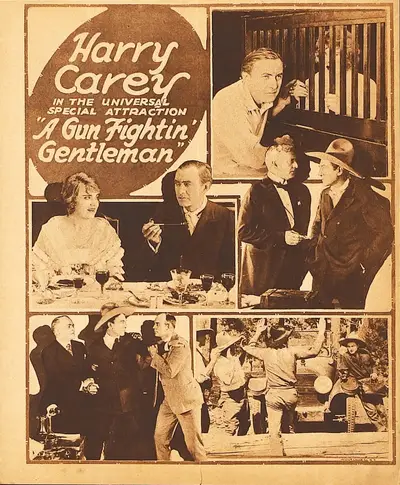
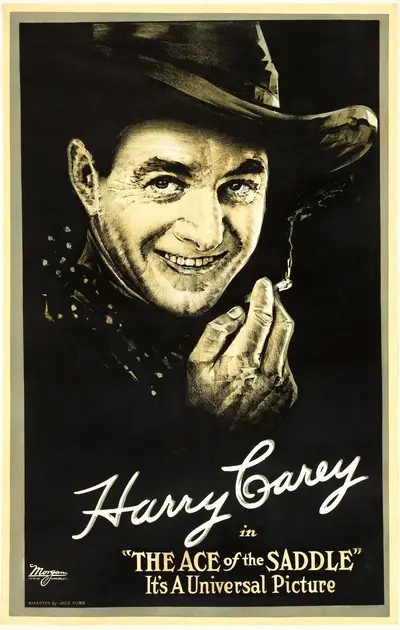
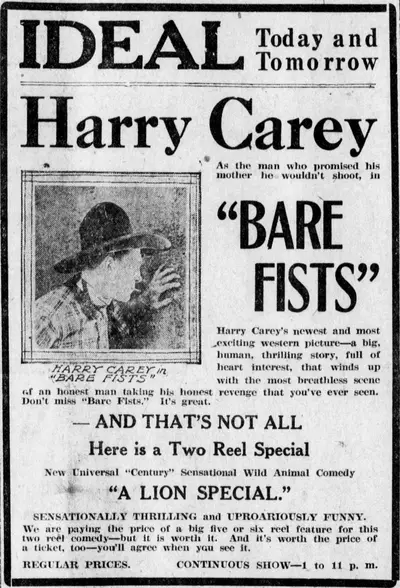
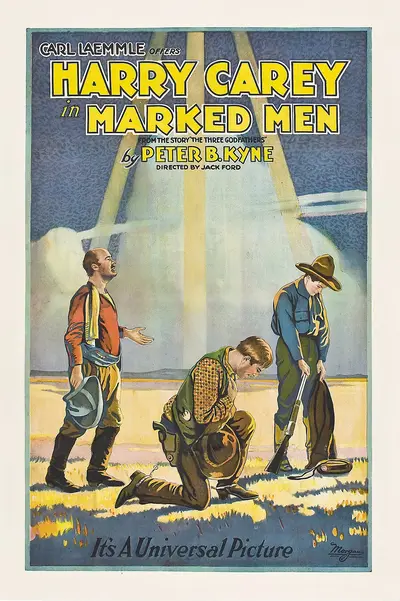
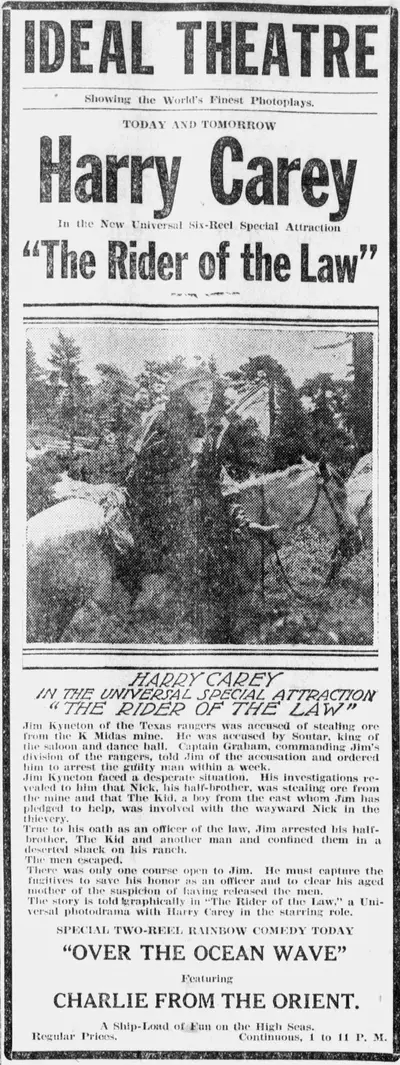
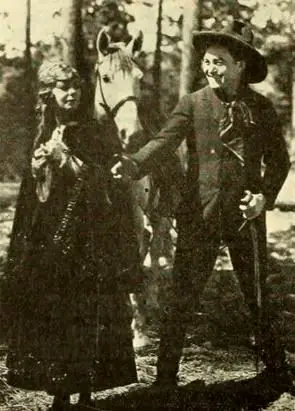
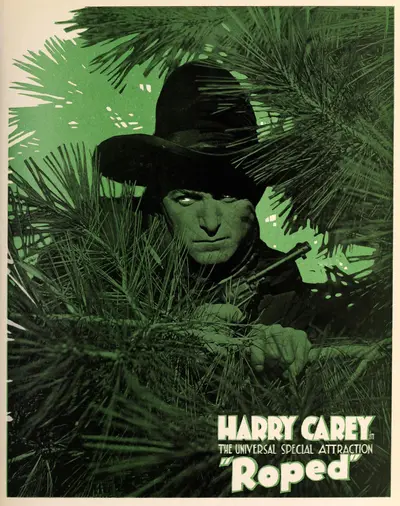
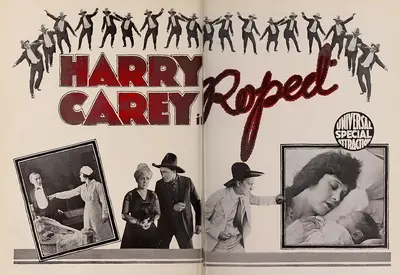
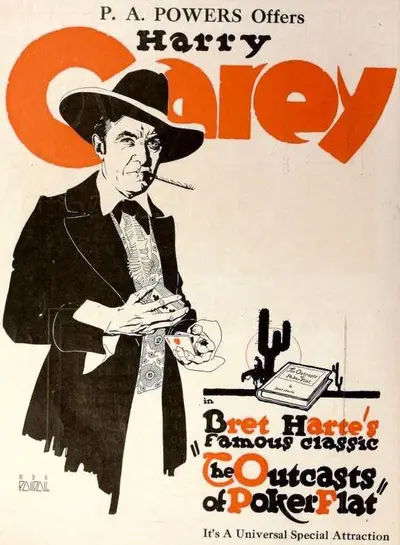
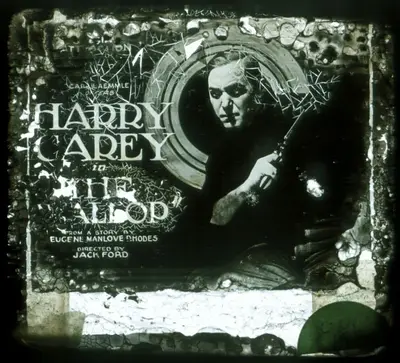
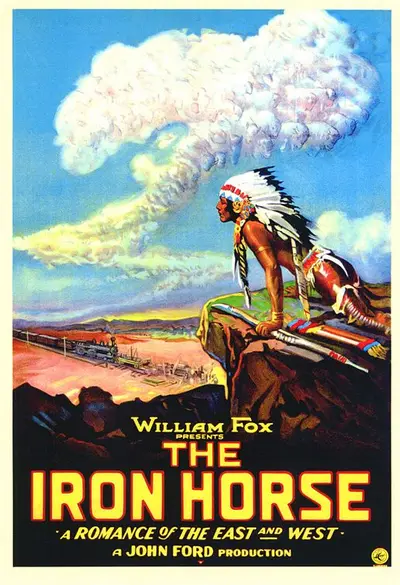
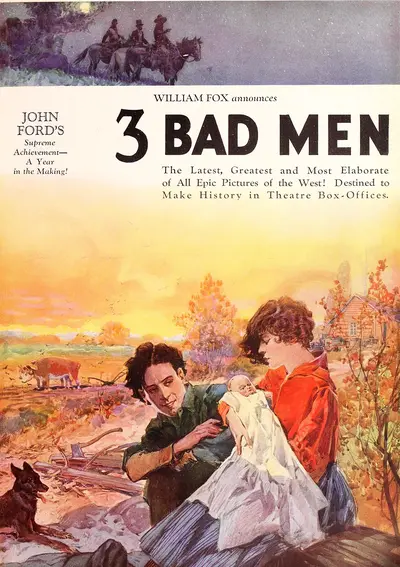
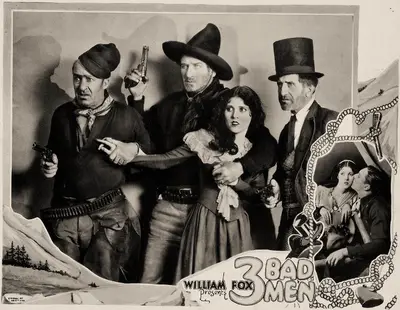
Ford's first film as director is uncertain. Most sources name the two-reeler The Tornado (1917), but the film writer Ephraim Katz suggested he may have directed earlier work. His first feature, Straight Shooting (1917), is his earliest complete surviving film. It was one of about 26 collaborations with the cowboy star Harry Carey, who often played the rough-edged outlaw "Cheyenne Harry". The railway epic The Iron Horse (1924), about the building of the Transcontinental Railroad, ran over budget and over schedule but became a huge hit and put Ford among Hollywood's leading directors. His last silent Western was 3 Bad Men (1926).
Stagecoach and the sound era
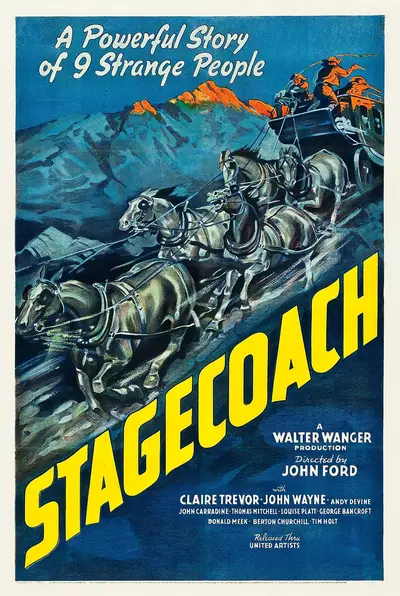
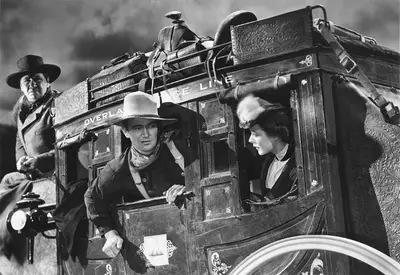
Ford did not make another Western for thirteen years. When he did, Stagecoach (1939) revived a genre the big studios had abandoned to cheap serials. It made a star of John Wayne as the Ringo Kid, and it was the first of Ford's films shot in Monument Valley on the Arizona–Utah border. Orson Welles claimed he watched it around forty times before making Citizen Kane. Wayne went on to appear in 24 of Ford's films over 35 years.
During the Second World War Ford served in the US Naval Reserve, made documentaries such as The Battle of Midway (1942), which won an Academy Award, and filmed for the Office of Strategic Services, including at Omaha Beach on D-Day.
The great Westerns
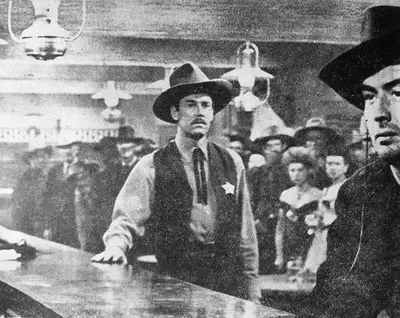
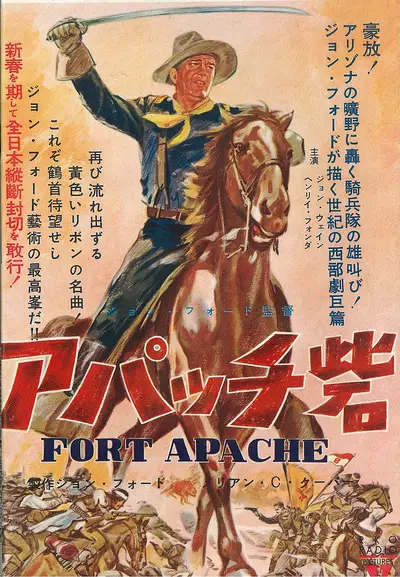
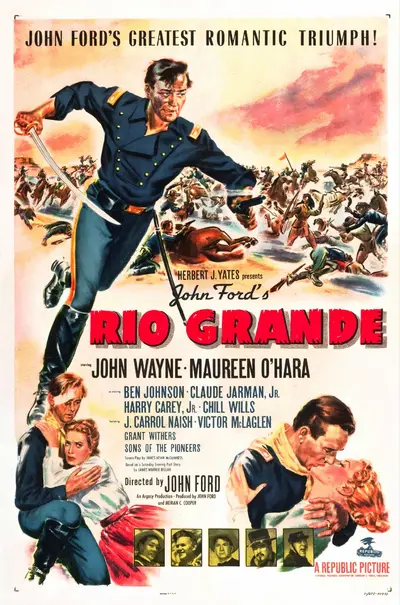
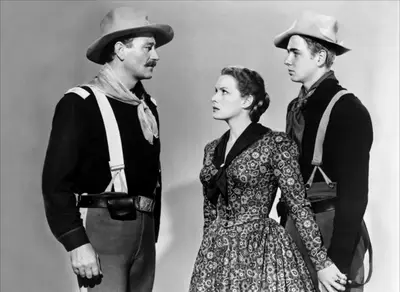
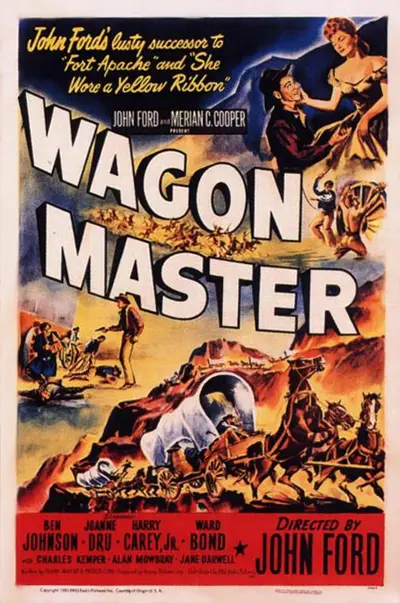
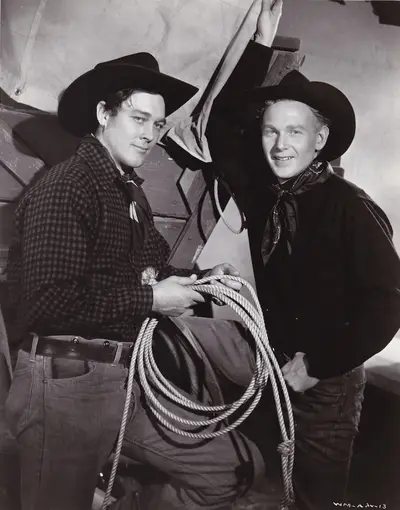
After the war Ford made My Darling Clementine (1946), a romanticised retelling of Wyatt Earp and the Gunfight at the O.K. Corral, with Henry Fonda as Earp. It was filmed in Monument Valley, which is geographically nowhere near Tombstone. Then came the "Cavalry Trilogy", all based on stories by James Warner Bellah: Fort Apache (1948), She Wore a Yellow Ribbon (1949) and Rio Grande (1950). Wagon Master (1950) gave leading roles to the character actors Ben Johnson and Harry Carey Jr.
The Searchers (1956), his only Western of the early-to-mid 1950s, is now widely ranked among the greatest Westerns ever made. In later films Ford questioned the myths he had helped build. Sergeant Rutledge (1960) centres on a Black cavalry sergeant. The Man Who Shot Liberty Valance (1962) contains the famous line "When the legend becomes fact, print the legend". His last Western, Cheyenne Autumn (1964), was intended as an elegy for Native Americans. It was his longest and most expensive film and lost money.
Style and working methods
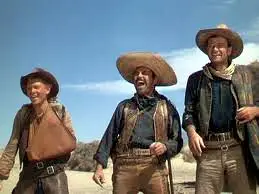
Ford favoured location shooting and wide, carefully composed shots that set small human figures against vast, hostile landscapes, with relatively few star close-ups. He was known for shooting few takes, and for telling his cast and crew little about what came next. He relied on a "stock company" of regular players, including Wayne, Fonda, Ward Bond, Victor McLaglen, Maureen O'Hara and Harry Carey Jr., and on long-standing collaborators such as the screenwriter Frank S. Nugent and the producer Merian C. Cooper, his partner in Argosy Pictures.
Legacy
Directors including Akira Kurosawa, Orson Welles, Ingmar Bergman and Frank Capra named Ford among the greatest film-makers, and the New Hollywood generation cited his influence. His films are widely seen as having shaped how Americans saw their own history and values. In his later Westerns Ford addressed some earlier omissions, including the treatment of Native Americans in Cheyenne Autumn. He died of cancer in Palm Desert, California, aged 79.
Key facts
- Born: 1 February 1894, Cape Elizabeth, Maine (his gravestone says 1895)
- Died: 31 August 1973, Palm Desert, California
- Birth name: John Martin Feeney
- Films directed: more than 130 (1917–1970)
- Academy Awards for Best Director: four, a record, none of them for Westerns
- Signature location: Monument Valley, Arizona/Utah
- Key Westerns: Stagecoach, My Darling Clementine, the Cavalry Trilogy, The Searchers, The Man Who Shot Liberty Valance
- Born John Martin Feeney
- Directed over 130 films; most of his silent films are lost
- Best Director Oscars: The Informer (1935), The Grapes of Wrath (1940), How Green Was My Valley (1941), The Quiet Man (1952)
- His WWII Navy documentaries The Battle of Midway and December 7th won Academy Awards
- Cast John Wayne as the Ringo Kid in Stagecoach (1939)
See also
Filmography
Limited to films in data/films; not a complete filmography
As director 46
- 1917A Marked Man
- 1917Bucking Broadway
- 1917Cheyenne's Pal
- 1917Straight Shooting
- 1917The Secret Man
- 1917The Soul Herder
- 1918A Woman's Fool
- 1918Hell Bent
- 1918The Phantom Riders
- 1918The Scarlet Drop
- 1918Thieves' Gold
- 1918Three Mounted Men
- 1918Wild Women
- 1919A Fight for Love
- 1919A Gun Fightin' Gentleman
- 1919Ace of the Saddle
- 1919Bare Fists
- 1919Marked Men
- 1919Rider of the Law
- 1919Riders of Vengeance
- 1919Roped
- 1919The Outcasts of Poker Flat
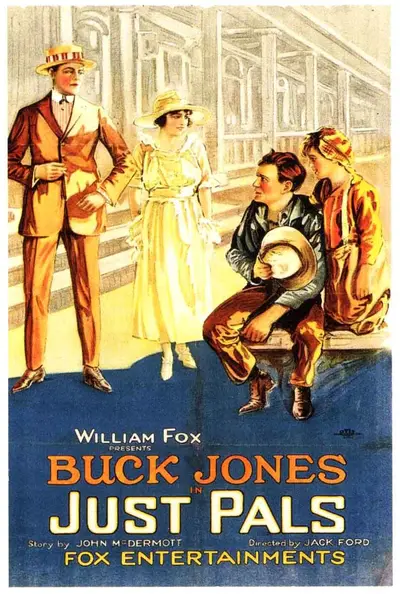
- 1920Just Pals
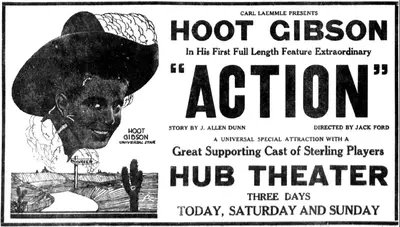
- 1921Action
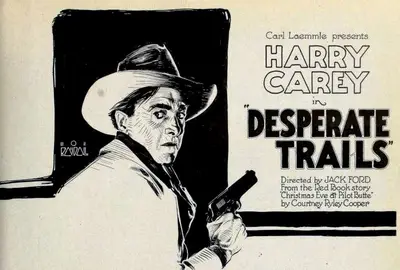
- 1921Desperate Trails
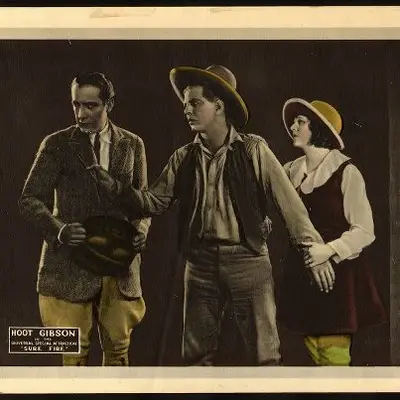
- 1921Sure Fire
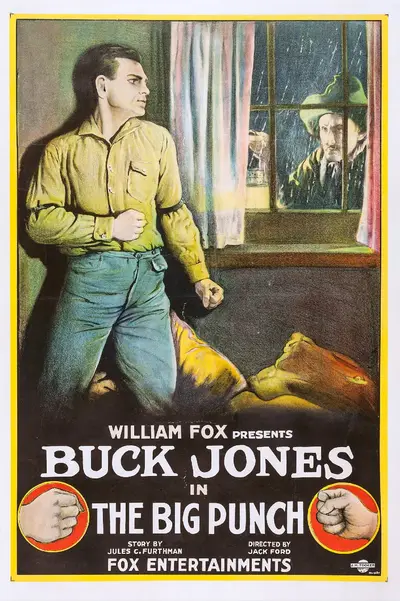
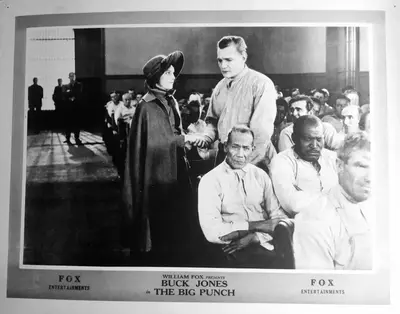
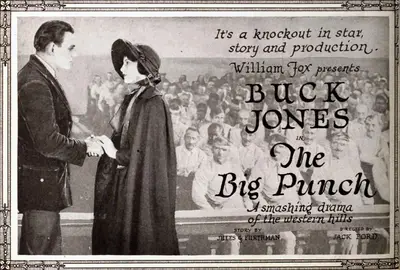
- 1921The Big Punch
- 1921The Freeze-Out
- 1921The Wallop
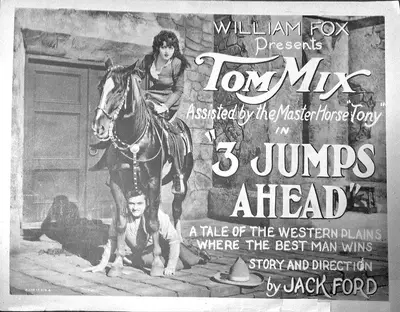
- 1923Three Jumps Ahead
- 1924The Iron Horse
- 19263 Bad Men
- 1939Stagecoach
- 1946My Darling Clementine
- 19483 Godfathers
- 1948Fort Apache
- 1949She Wore a Yellow Ribbon
- 1950Rio Grande
- 1950Wagon Master
- 1956The Searchers
- 1959The Horse Soldiers
- 1960Sergeant Rutledge
- 1961Two Rode Together
- 1962How the West Was Won
- 1962The Man Who Shot Liberty Valance
- 1964Cheyenne Autumn
Gallery 8


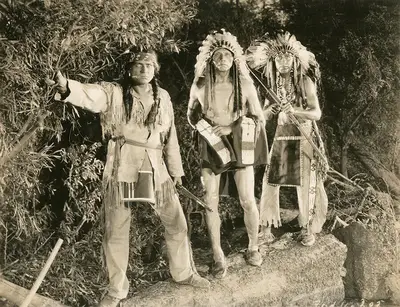
In the films 49

















































Sources
- John Ford - Wikipedia en.wikipedia.org
- John Ford - Britannica britannica.com
- Wikidata: Q51114 wikidata.org
- Wikimedia Commons: John Ford 1946.jpg commons.wikimedia.org
- Wikimedia Commons: Bert Glennon-John Ford in Stagecoach.jpg commons.wikimedia.org
- Wikimedia Commons: Broken Coin 1915.jpg commons.wikimedia.org
- Wikimedia Commons: Elk, oklahoma 13.jpg commons.wikimedia.org
- Wikimedia Commons: Golden Age of Hollywood.png commons.wikimedia.org
- Wikimedia Commons: Il Lavoro Illustrato, 1953, Anna Magnani, John Ford.jpg commons.wikimedia.org
- Wikimedia Commons: John (%22Jack%22) Ford kneeling (left) with his film company%27s cast, 1917.jpeg commons.wikimedia.org
- Wikimedia Commons: John Ford 1915.png commons.wikimedia.org
- Wikimedia Commons: John Ford 1916.png commons.wikimedia.org