

True Grit Rating: El Dorado
Loading the ticket…
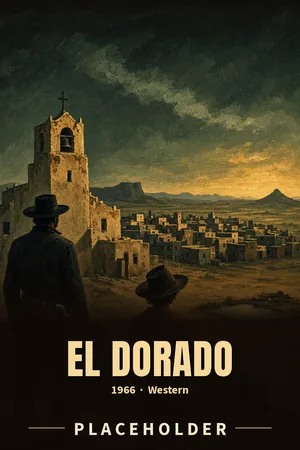
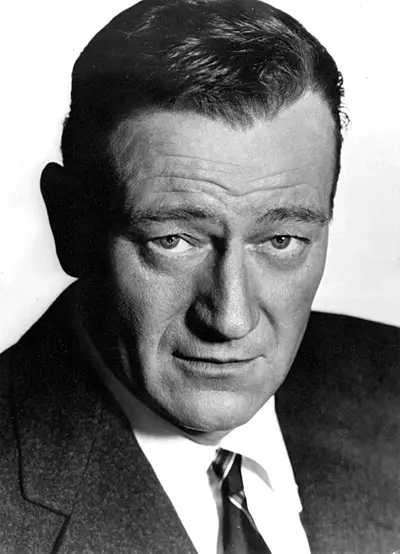
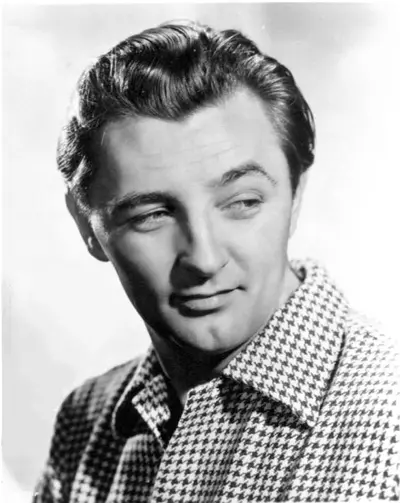
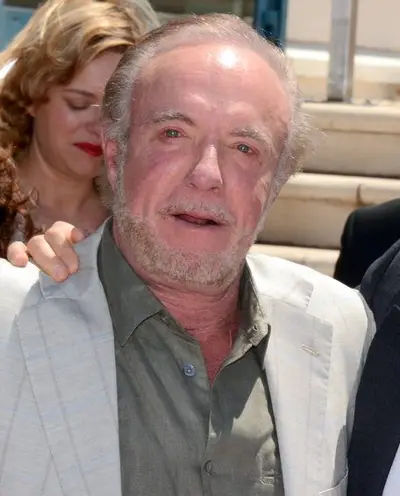
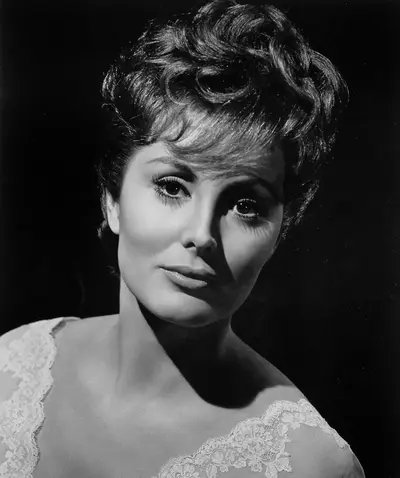
El Dorado is an American Western directed and produced by Howard Hawks, starring John Wayne and Robert Mitchum, with James Caan, Charlene Holt, Paul Fix, Arthur Hunnicutt and Michele Carey. Leigh Brackett wrote the screenplay, loosely based on Harry Brown's novel The Stars in Their Courses. A gunfighter comes to the aid of an old friend, now a drunken sheriff, in a range war over water rights. It is the second of Hawks's three films about lawmen holding a town against outlaws, between Rio Bravo (1959) and Rio Lobo (1970), and the only film in which Wayne and Mitchum co-starred.
Release date
The film was made in 1965–66 and first released in Japan on 17 December 1966, the year used here. It did not open in the United States until 7 June 1967.
Plot
The hired gun Cole Thornton (Wayne) arrives in El Dorado to take a job with the wealthy landowner Bart Jason, but the sheriff, his old friend J. P. Harrah (Mitchum), tells him that Jason is trying to drive the MacDonald family off their land. Thornton turns the job down. On his way back he is fired on by the youngest MacDonald son, who has fallen asleep on watch; Thornton shoots back by reflex and wounds him, and the boy kills himself. When Thornton brings the body home, the boy's sister Joey (Carey) ambushes him, and the bullet lodges near his spine, where it causes bouts of paralysis.
Months later Thornton meets a young man known as "Mississippi" (Caan) and learns that the gunman Nelse McLeod has taken Jason's job and that Harrah has become a drunk. Thornton and Mississippi return to El Dorado, sober Harrah up with a foul concoction and, helped by the old deputy Bull (Hunnicutt), arrest Jason. McLeod's men besiege the jail, Harrah is shot in the leg and Thornton, crippled by an attack, is captured and exchanged for Jason. When Jason kidnaps a MacDonald son to force the family to give up their water rights, the four limping lawmen attack the saloon. Thornton kills McLeod and Joey shoots Jason.
Production
Brackett said her original script was the best she had ever written and ended with Wayne's character dying, but Hawks steered the film closer and closer to Rio Bravo, which she hated. Mitchum recalled Hawks telling him there was "no story, just characters". The cinematographer Harold Rosson came out of retirement for the film. It was shot in Technicolor at Old Tucson Studios in Arizona and around Kanab, Utah, from October 1965 to January 1966.
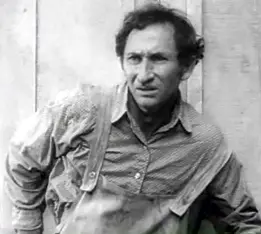
The film was Wayne's 138th picture. Paramount held back its release so that it would not compete with Steve McQueen's Nevada Smith, and it reached US cinemas a month after Wayne's The War Wagon, which had been filmed later. The opening credits feature paintings by the Western artist Olaf Wieghorst, who also has a small part. Nelson Riddle wrote the score, and the film's theme paraphrases Edgar Allan Poe's poem "Eldorado", which is recited in the film.
Reception
El Dorado was a critical and commercial success, earning North American rentals of $5,950,000. In The New York Times Howard Thompson called it "a tough, laconic and amusing Western", and Roger Ebert, giving it three and a half stars, described it as "a tightly directed, humorous, altogether successful Western" from "three old pros". Members of the Western Writers of America later voted its theme one of the top 100 Western songs.
Legacy
Footage from El Dorado was reused in the opening montage of The Shootist (1976) to show the backstory of Wayne's dying gunfighter.
Key facts
- Director and producer: Howard Hawks
- Screenplay: Leigh Brackett, from Harry Brown's novel The Stars in Their Courses
- Music: Nelson Riddle
- Cinematography: Harold Rosson
- Released: 17 December 1966 (Japan); 7 June 1967 (United States)
- Running time: 121 minutes
- Directed by Howard Hawks
- Released 1966
Cast
See also
If you liked this
Picked from this wiki's own links: same film series, same director, same lead actor.
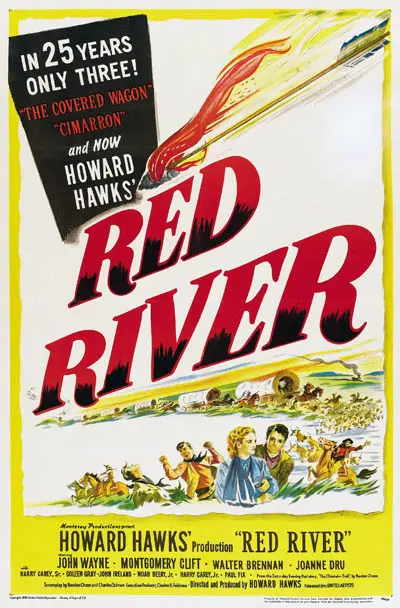 Red River1948Also directed by Howard Hawks
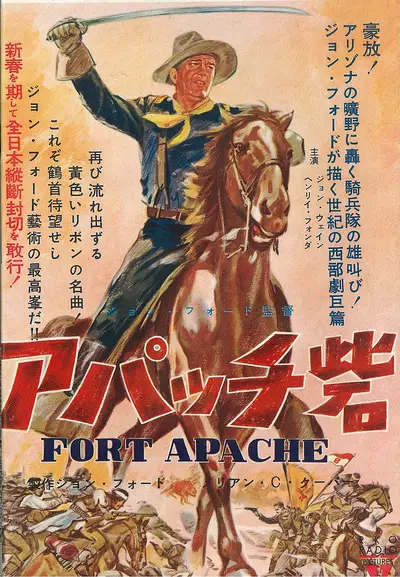 Fort Apache1948Also starring John Wayne
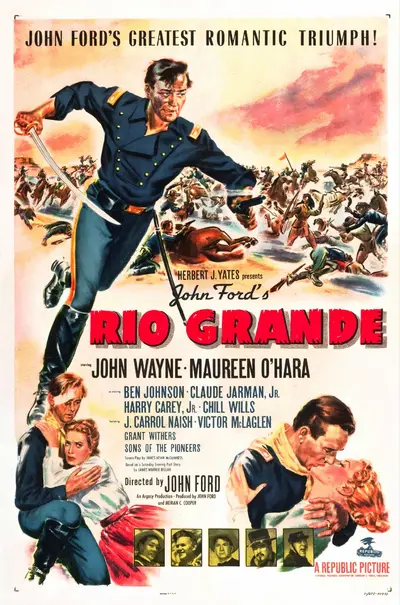 Rio Grande1950Also starring John Wayne


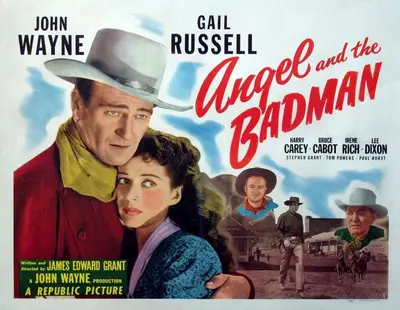 Angel and the Badman1947Also starring John Wayne
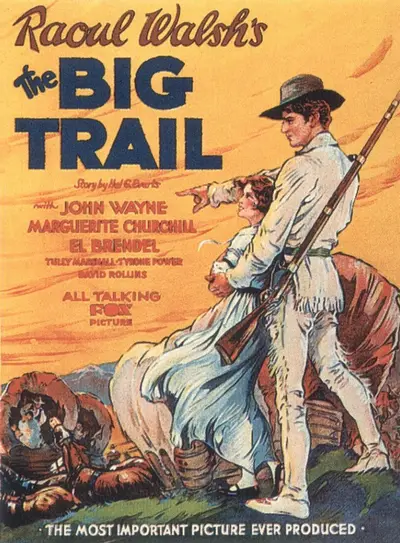 The Big Trail1930Also starring John Wayne
Frontier folk
This film is listed on: Cattle barons, crooked railroad men and bankers · Hired guns and range bullies · Sheriffs, marshals and Texas Rangers · The lone gunfighter (all Frontier folk)
True Grit RatingWhat's this?Woke: None foundSVLIMDb ★7.5Partly checked
True Grit score: 99/100, Gold Partly checked
How the score is worked out:
- Start100
- Diamond needs all five checks; not met (raw score under 109): 100 → 99
- Presumed (Hays Code, 1934–1967): violence, language presumed no, counted as checked0
- True Grit score99 · Gold
Classic Western checks
0 of 5 yes · Classic Western
- Called “revisionist”NoNo: a review describes it as a routine, standard, conventional, old-fashioned or traditional Western.[1]
- Settlers or cavalry as villainsNoThe villain is the landowner Bart Jason and his hired guns; Jason is himself a rancher, but the MacDonald ranching family are the sympathetic side.[2]
- Faith shown negativelyNoA church is only a setting; the plot shows no clergy or faith portrayed negatively.[2]
- History rewrittenNoFiction with invented characters; it portrays no real historical events or people, so nothing documented is rewritten. [2]
more
Fiction with invented characters; it portrays no real historical events or people, so nothing documented is rewritten. Based on Harry Brown’s novel. - A people shown as villainsNoNo: the plot source names the villains as individuals; no ethnic, national or religious people is the enemy as a group.[3]
Woke content (modern messaging)
None found0 of 8 items found so far
Show all 8 (2 not found · 6 not known)
Unless noted: Unknown.
- Characters recast for representationNot known
- Gender roles reversed or critiquedNot known
- Present-day political languageNot known
- Allegory for current politicsNot foundReleased in 1966, before the 21st-century debates this item covers, so it cannot be an allegory of them.[2]
- Western civilisation framed as inherently guiltyNot known
- Environmental activismNot foundNo: no source raises an environmental message (5 Nov 2026).[2]
- Source material changed for messagingNot known
- LGBT or gender-identity themesNot known
Content guide
Presumed no (Hays Code)
UK classification advice lists no sex or nudity issues.
Certificates: BBFC PG FSK FSK 12
NoneMildModerateStrongNot known
Audience
★ 7.5/10 from viewers on IMDb (34k votes)No deduction (5.0 and up).
Sources
Information courtesy of IMDb (https://www.imdb.com). IMDb rating as of 13 October 2026.
Checked 17 October 2026 · Reviewed by Frontier Editor
Partly checked: 1 check not known. Not known items are left out of the score.
Member reviews
What members think. Member reviews never change the True Grit score. The True Grit score is worked out by the editors from sources.
Sources
- El Dorado (1966 film) - Wikipedia en.wikipedia.org
- Wikidata: Q1324120 wikidata.org
- El Dorado film by Hawks - Britannica britannica.com
- IMDb Non-Commercial Datasets developer.imdb.com
- El dorado q29sbgvjdglvbjpwwc0yndcxntc - bbfc.co.uk bbfc.co.uk
- Rotten Tomatoes (score via Wikidata) rottentomatoes.com
- Metacritic (score via Wikidata) metacritic.com